
← Back to articles · Hobby & visiting shops ·
Old is not rare: what actually makes a coin valuable
A coin is not valuable just because it is old. Rarity comes from how many were minted (especially at a specific mint), how many survived, and condition — not the birthday on the coin.
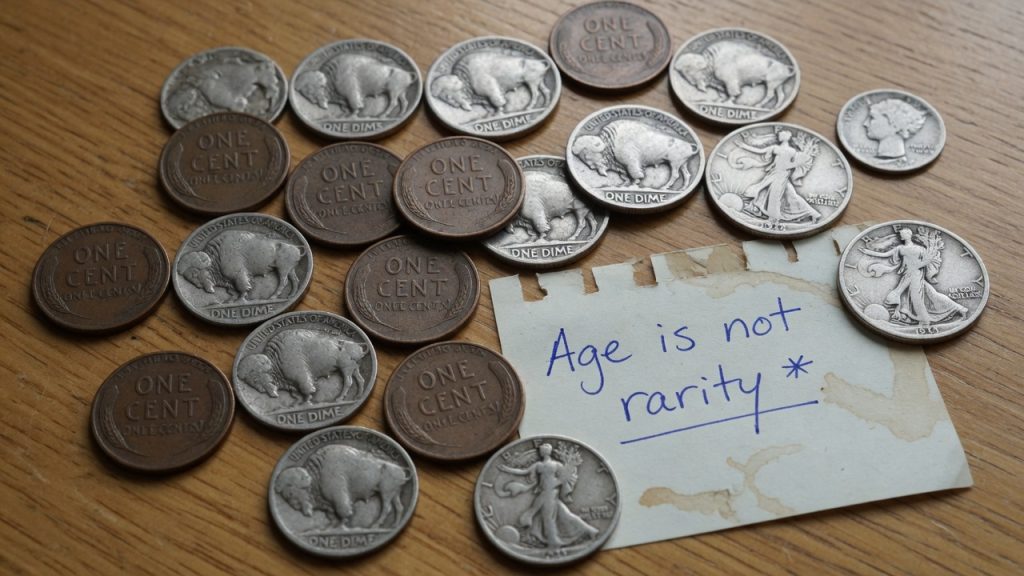
Here is the misconception that wastes more Saturdays at coin shops than almost any other: “It’s over a hundred years old, so it must be worth a lot.”
Age is a fact. Value is a market. Those are different sentences. Plenty of coins that are 100, 150, even 1,000+ years old trade for a few dollars — sometimes less than a modern bullion round — because the mint made a mountain of them, or because the survivors are still common in that grade.
The United States is still young as a coin-issuing country. Federal coinage starts in the 1790s. That feels ancient if your family photo album stops at the 1970s. Compared with Roman bronze, medieval silver, Islamic dynasties, Chinese cash coins, or centuries of European coinage, U.S. issues are early modern. Age alone never put a U.S. coin in the “fortune” column.
What “rare” actually means
In plain English, a coin is rare when few pieces are available relative to the people who want them. Dealers and collectors break that into practical parts:
- Original mintage — how many the mint struck for that date and type
- Mint of issue — Philadelphia vs San Francisco vs Denver (and others) often differ wildly for the same year
- Survival — melting, wear, loss, and export reduce what is left
- Condition (grade) — a common date in gem mint state can outprice a scarcer date that is worn flat; a rare date in poor condition is still limited, but demand and price drop hard
- Demand — collectors must actually want the series. A scarce coin in a dead series can lag a popular common type in high grade
It is not the age that matters. It is how many were minted — especially at a specific mint — and then what condition yours is in on top of that.
The mint mark is half the story
People say “I have a 1916 quarter” as if that is one coin. It is not. A 1916 Standing Liberty quarter from one mint is a completely different animal from another. Same year, same design family — different mintage, different rarity, different price band. Learning to find the mint mark (or knowing that no mark usually means Philadelphia on classic U.S. coins) is step one of not fooling yourself.
Same lesson for wheat cents, Buffalo nickels, Mercury dimes, Morgan dollars, and almost every series people pull from coffee cans. Date is the chapter title. Date + mint is the actual listing. Condition is the fine print that decides where you land inside that listing.
Why “over 100 years old” feels special (and why the market shrugs)
Human brains treat old objects as scarce. Museums, estate shows, and viral videos reinforce that. The mint did not get the memo. In boom years the U.S. Mint struck hundreds of millions of some denominations. A 1920s cent that your great-grandparent spent at a soda fountain is historically charming. It is still often a bulk coin unless the date/mint is a known key or the grade is exceptional.
Silver content can add melt value for pre-1965 dimes, quarters, and halves — that is metal, not “rarity because Grandma had it.” See junk silver and how shops price metal vs collector coins.
Condition sits on top of mintage — it does not replace it
Two coins can share the same date and mint:
- One is dark, scratched, cleaned, or holed → collector premium collapses; sometimes you are left with melt or bulk
- One is original, sharp, and problem-free → same mintage math, higher demand
Rarity of the issue sets the ceiling of interest. Condition sets where you sit under that ceiling. Cleaning a coin to “make it look better” often destroys the premium people hoped age would give them. If you are sorting an estate, do not polish. Sort, bag, and get a bid. More in knowing what you have before you walk in.
A simple checklist before you call anything “rare”
- Identify denomination, date, and mint mark
- Ask: was this a high-mintage workhorse year or a known low-mintage / key date?
- Look honestly at condition — wear, scratches, cleaning, corrosion, holes, PVC damage
- Separate silver melt from true collector premium
- Ignore Etsy asking prices and jar-treasure videos; use sold comps and a real counter bid (why apps and Google “worth” searches lie)
- Get a second opinion on anything that still looks important
U.S. coinage is young — and that is okay
Collecting U.S. coins is not less “real” because Rome is older. It just means you should not use calendar age as a price tag. A worn Roman bronze can be older than the United States by a millennium and still cost less than dinner. A 1909-S VDB Lincoln cent is “only” a bit over a century old and is a famous key because of mintage and demand — not because 1909 is magically ancient.
Deep history still matters for context. Our history library covers design and policy (for example early federal coinage, Morgan and Peace dollars, Buffalo nickels and Standing Liberty quarters). History explains why a design exists. Mintage and grade explain what someone will pay.
This series: age vs rarity
Read the whole set — each piece cross-links the others:
- Old is not rare — mintage, mint mark, and condition (the rules)
- Cents — Indian Heads, wheat cents, modern Lincolns
- Nickels — Buffalo, Liberty Head, Jefferson
- Dimes & quarters — Mercury, Barber, Standing Liberty, Washington
- Halves & dollars — Walking Liberty, Franklin, Morgan, Peace
- Ancient & world coins — 1,000+ years old and still a few dollars
Related guides in our library
- Why coin value apps and Google “worth” searches lie
- The Red Book is not a dealer buy-price guide
- Why the coin shop offered less than you expected
- Knowing what you have before you walk in
- Understanding coin and bullion pricing at a shop
- Tiny gold coins, use gold, and 10k/14k novelties
- All visitor & collector guides
- Find a dealer: CDXList.com · NumisQ Shops
Before you call anything rare, find the letter: where is the mint mark? Then use the key-date cheat sheets for wheats, Buffalos, and Morgans.