
← Back to articles · U.S. coinage history ·
Early U.S. federal coinage: copper, silver, gold, and building a mint
How the first U.S. Mint turned law into cents, half dimes, dollars, and gold coins — and why early federal money still shapes collector markets.
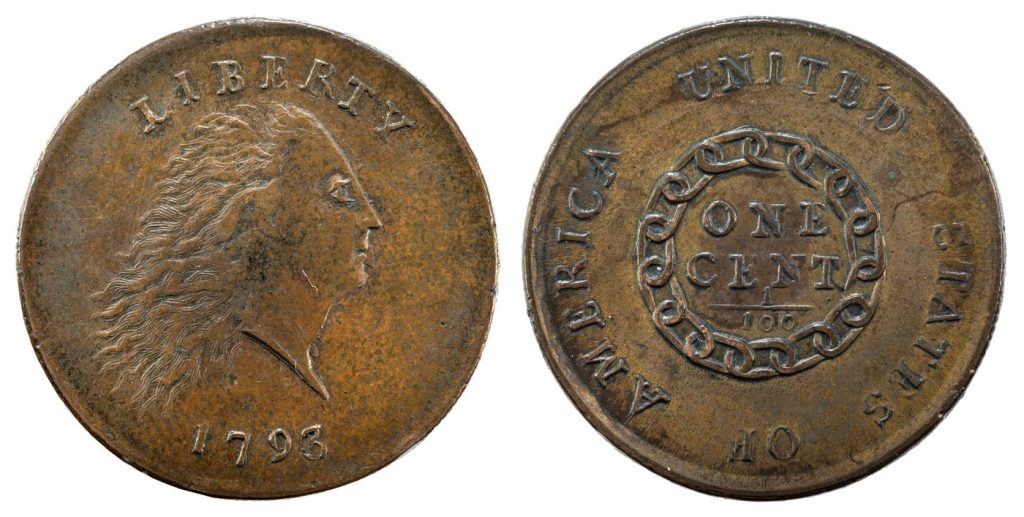
The 1790s Mint was a startup with legal authority and limited machines. It struck copper cents and half cents for small change, silver from half dimes through dollars, and gold from quarter eagles upward as capacity and bullion depositors allowed. Denominations we take for granted were experiments in public acceptance.
Copper for the people
Large cents and half cents were everyday democratic money — bulky, soft, and heavily circulated when they circulated. Many survivors are worn slick. That is history written in abrasion, not a defect invented by a shop.
Silver ladder
Half dimes, dimes, quarters, halves, and dollars formed a silver ladder under bimetallism. Relative metal prices and export incentives sometimes made certain denominations unprofitable to strike or keep in-country — a recurring theme through the nineteenth century.
Gold and trust
Gold coins were high-value instruments for reserves and large payments. Early gold is scarce in high grade. The public story is less “pocket change” and more “serious money in a small republic.”
Why this era still matters
It shows the U.S. trying to be a hard-money nation with a mint, not only a paper printer. Later generations would add greenbacks, Federal Reserve notes, and the end of domestic gold convertibility. Early federal coinage is the baseline those later choices departed from.
Educational history and product guidance — not legal, tax, or investment advice. Laws and policies change; verify current rules for your situation. Images used for education are public-domain or freely licensed historical references where sourced from open repositories.
What depositors and the Mint actually did
Early U.S. coining often depended on bullion depositors bringing metal to be coined — not a modern central bank “print and ship” model. Capacity limits meant some denominations appeared irregularly. That stop-start pattern is why certain early dates are scarce even when the design type is famous.
Collectors today chase die varieties and condition rarities because the first mint was learning. For a shop visitor with a single dark copper large cent: most are common in low grade; a few dates and varieties are not. Identification beats hope.
Bridge to later policy
Once you see early federal coinage as hard-money nation-building, later choices — greenbacks, Federal Reserve notes, ending gold convertibility — read as departures with reasons, not random insults to history. Keep reading the paper-money map and Bretton Woods articles on this site.