
← Back to articles · Hobby & visiting shops ·
Ancient and world coins: 1,000 years old can still be a few dollars
Roman, medieval, and many world coins can be a millennium older than U.S. issues and still cheap. Age proves survival of a type — not a fortune in your envelope.
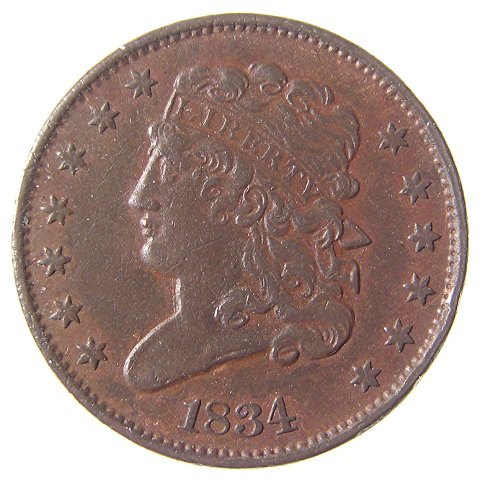
This is the punchline that rewires most beginners: a coin can be 1,300 years old and still be worth only a couple of U.S. dollars in the open market. Dealers buy and sell late Roman bronze, Byzantine coppers, Chinese cash coins, and common medieval issues in bulk trays at shows. They are old. They are not all rare.
That fact is the strongest antidote to “my U.S. coin is 110 years old so it must be valuable.” The United States is in the infancy of coinage compared with the Mediterranean, Middle East, India, and China. We care about U.S. series for history and design — not because 1917 is geologically ancient. Pillar rules: old is not rare.
Why ancient can be cheap
- Huge original production — empires needed small change for armies, taxes, and markets
- Archaeology and hoards — large finds enter the market over centuries
- Condition realities — many survivors are worn, corroded, or poorly struck
- Collector demand is selective — portrait silver of famous rulers in good style costs more; anonymous crude bronze often does not
A beautiful Greek silver tetradrachm in high style is a different universe from a crusty late Roman AE3. Both can be “ancient.” Only one might be expensive.
World coins in the junk drawer
Travel change, war souvenirs, and immigrant pockets leave Canadian large cents, UK large pennies, Mexican silver, euro leftovers, and unidentifiable tokens. Many are common. Some silver world coins have melt. A few are scarce. The process is the same as U.S. coins: identify, check mintage/type scarcity, grade honestly, separate metal value from collector premium.
What not to do with “really old” pieces
- Do not clean green crust with acid or a wire brush — you can destroy both value and history
- Do not assume museum-level importance from age alone
- Do not trust a single eBay ask for “ancient Roman coin — $499”
- Do take interesting silver, gold, or high-style pieces to someone who actually knows world coins
How this helps you price American coins emotionally
Once you accept that a 4th-century bronze can be cheaper than a pizza, it becomes easier to accept that a 1920 wheat cent is usually bulk. Both lessons point at the same mechanism: supply and demand for that exact type in that condition. Calendar years are just labels.
For U.S. type-by-type walkthroughs, use the rest of this series — cents, nickels, dimes & quarters, halves & dollars. For online hype, read why apps and Google lie about “worth.”
When ancient and world coins do get expensive
Scarcity still exists outside the U.S. High-style Greek silver, rare Islamic gold, choice medieval, rare colonial issues, and problem-free pedigreed pieces can be serious money. The filter is the same everywhere:
- Is this a common type known in large numbers?
- Is the metal gold/silver with meaningful weight?
- Is the style, strike, and surfaces desirable to specialists?
- Is authenticity secure? (Fakes are a real problem in popular ancient series.)
If you cannot answer those, you do not have a price. You have a research project. A good shop will either help or point you to someone who can — especially via a directory like CDXList.
Tokens, medals, and “not money” lookalikes
Estate boxes mix coins with transit tokens, religious medals, elongated souvenirs, play money, and casino tokens. Some are collectible. Many are bulk or melt-adjacent brass. Age still does not decide. Identification does. When in doubt, keep them separate from the silver and gold piles so they do not confuse the bid.
A coin’s job in the ancient world was to be spent by the thousands. Survival of the type is common. Survival of a masterpiece example is not. Know which one you are holding.
This series: age vs rarity
Read the whole set — each piece cross-links the others:
- Old is not rare — mintage, mint mark, and condition (the rules)
- Cents — Indian Heads, wheat cents, modern Lincolns
- Nickels — Buffalo, Liberty Head, Jefferson
- Dimes & quarters — Mercury, Barber, Standing Liberty, Washington
- Halves & dollars — Walking Liberty, Franklin, Morgan, Peace
- Ancient & world coins — 1,000+ years old and still a few dollars
Related guides in our library
- Why coin value apps and Google “worth” searches lie
- The Red Book is not a dealer buy-price guide
- Why the coin shop offered less than you expected
- Knowing what you have before you walk in
- Understanding coin and bullion pricing at a shop
- Tiny gold coins, use gold, and 10k/14k novelties
- All visitor & collector guides
- Find a dealer: CDXList.com · NumisQ Shops