
← Back to articles · Hobby & visiting shops ·
Half dollars and silver dollars: Morgans are old — many are still common
Walking Liberty halves and Morgan dollars feel like treasure. Huge mintages and big hoards mean many dates are common. Keys are about specific mints and grades.
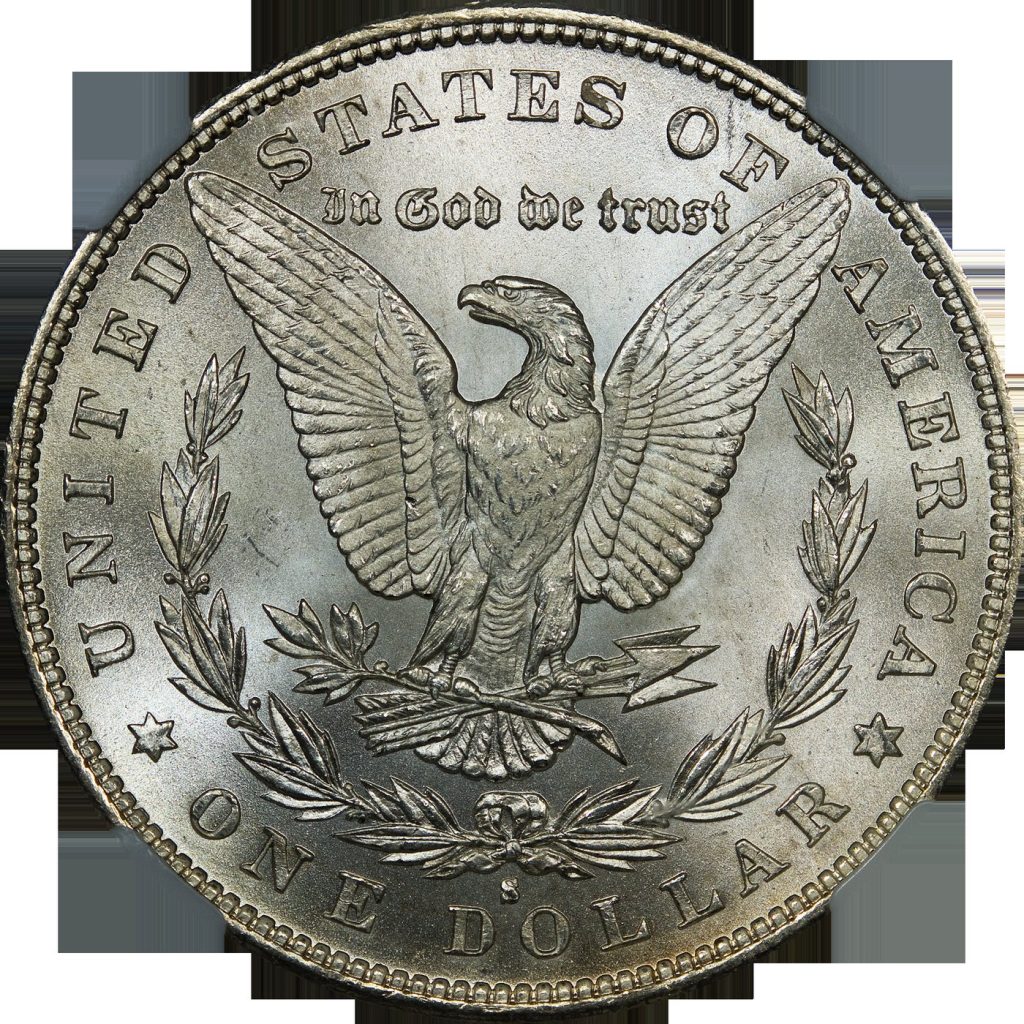
If one U.S. coin type fuels the “it is old so it is valuable” myth, it is the Morgan dollar. Big, silver, 19th-century, and all over estate boxes and TV auctions. Walking Liberty halves are a close second for “this must be special.” Both series prove the rule: age is not rarity.
Walking Liberty and Franklin halves
Walking Liberty halves (1916–1947) are art. Franklins (1948–1963) are mid-century workhorses. Pre-1965 halves are 90% silver, so melt is the floor for common dates. Numismatic premium shows up for better dates/mints and nicer grades. A worn common Walker is usually silver-plus, not “investment rarity.” More design context sits in our history posts; the counter still wants mintage and condition.
Morgan dollars (1878–1921)
Morgans were struck in enormous numbers for many date/mint combinations. Later Treasury and private hoards released millions more into the market in the 20th century. Result: plenty of dates are available in circulated and even mint-state grades at accessible prices. That is good for collectors. It is bad for the fantasy that every Morgan is a five-figure heirloom.
- Common date + common mint + average circulated → often bullion-ish or modest collector
- Better date/mint with strong original surfaces → real numismatic market
- Keys and condition rarities → the headlines people remember and then project onto every 1921
History and culture of the series: Morgan and Peace dollars for collectors. Read it for context, not as a buy offer for your cleaned 1921.
Peace dollars
1921–1935. Same logic. Popular type coin. Many dates are available. A few are tougher. High grade and original skin matter. Age does not.
What about “cartwheels” from Great-Grandpa’s desk?
Respect the story. Then do the work:
- Read the date and mint mark (Morgan mint marks are on the reverse)
- Note cleaning, scratches, holes, or jewelry mounts — all kill premiums
- Separate common dates from published keys before you get emotionally attached to a number from YouTube
- Get a live bid from a shop that handles silver dollars regularly — CDXList helps you find one
If the number is “just silver,” that can still be real money. It is honest money. Honesty is better than a video that never has to buy your coin.
Eisenhower and later dollars
Ike dollars, Susan B. Anthony, Sacagawea, and presidential dollars are modern. A few collector issues exist; average circulated pieces are not valuable because they are “from the 1970s.” Forty or fifty years is not rare in mintage terms when hundreds of millions were made.
Hoards changed the Morgan market forever
Unlike many ancient series that drip into the market from digs, Morgans had modern Treasury and private hoard releases. Bags of certain dates entered collecting channels long after the coins were struck. That is why “it is from the 1880s” does not automatically mean “few left.” Supply was restocked in the 20th century for many issues. Keys remain keys because their mintages and survival never got that luxury in the same way.
Cleaning and “whizzing” on big silver
Large silver dollars were favorite victims of polishing. A bright, hairlined Morgan may look “pretty” to a non-collector and look damaged to a dealer. Original skin and honest wear often beat artificial shine. If Great-Grandpa polished the desk dollar every Christmas, expect the bid to reflect that. Do not add a second polishing session before you sell.
Peace dollars and the 1921 confusion
1921 produced both Morgan and Peace dollars. People mix them up, misread mint marks, and grab the wrong line in a price app. Identify the design first, then the mint, then the grade. Rushing from “1921 silver dollar” to a fantasy number is how apps and Google results win the attention war and lose the accuracy war.
This series: age vs rarity
Read the whole set — each piece cross-links the others:
- Old is not rare — mintage, mint mark, and condition (the rules)
- Cents — Indian Heads, wheat cents, modern Lincolns
- Nickels — Buffalo, Liberty Head, Jefferson
- Dimes & quarters — Mercury, Barber, Standing Liberty, Washington
- Halves & dollars — Walking Liberty, Franklin, Morgan, Peace
- Ancient & world coins — 1,000+ years old and still a few dollars
Related guides in our library
- Why coin value apps and Google “worth” searches lie
- The Red Book is not a dealer buy-price guide
- Why the coin shop offered less than you expected
- Knowing what you have before you walk in
- Understanding coin and bullion pricing at a shop
- Tiny gold coins, use gold, and 10k/14k novelties
- All visitor & collector guides
- Find a dealer: CDXList.com · NumisQ Shops
Pull list (no prices): Morgan dollar key dates. Always check the reverse: where is the mint mark?