
← Back to articles · Coin Dealer information ·
Understanding coin and bullion pricing at a shop
Spot, premium, melt, numismatic value, wholesale vs retail — plain English for people who want to know why the number on the offer slip is the number on the offer slip.
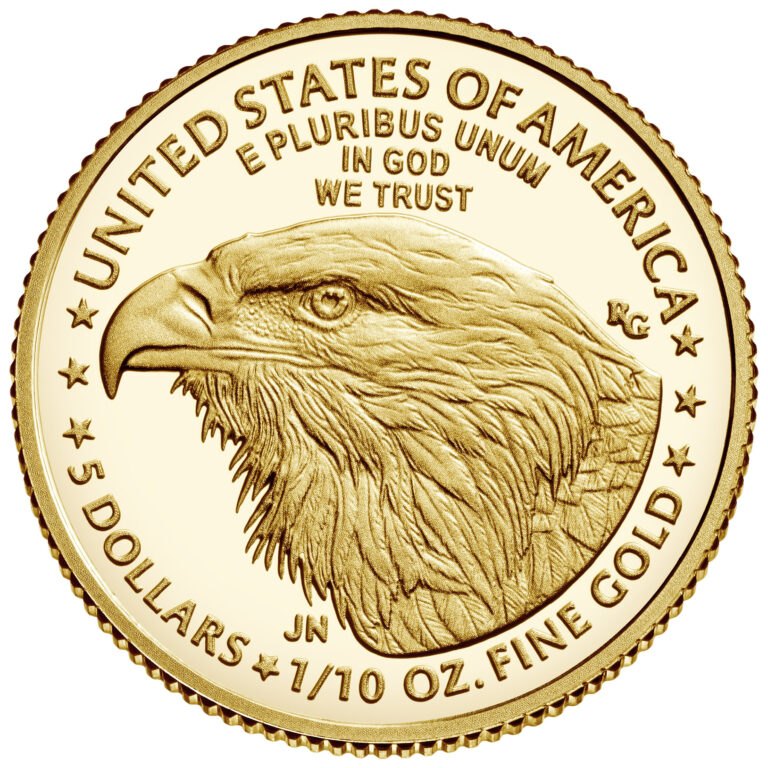
Price fights at the counter almost always come from mixing up different kinds of value. Once you separate those ideas, the shop’s number usually stops feeling like a personal insult and starts looking like math plus risk.
Spot price
For gold and silver, “spot” is the live wholesale market reference for the metal itself. It moves all day. Shops watch it the way gas stations watch wholesale fuel. Your American Silver Eagle is not priced like a candy bar with a fixed sticker for the year.
Premium (and discount)
Bullion coins and bars trade at a premium over melt for minting, brand, and demand. When you buy from a shop, you pay spot + their sell premium. When you sell to a shop, you often get spot minus a buy spread, or spot plus a smaller premium on desirable products. The gap is how the shop stays open.
Melt value
Junk silver, scrap gold jewelry, and damaged coins are mostly melt. Weight × fineness × spot × the shop’s pay percentage. That percentage is a business policy, not a moral score. Compare shops if you want; just compare the same day with the same spot.
Numismatic value
Collector value is about rarity, condition, originality, and demand from collectors — not just metal content. A rare date in high grade can be worth far more than melt. A common date that is cleaned, scratched, or damaged can be worth melt or a small collector premium. This is where people get hurt when they only remember the highest number they ever saw online.
Wholesale vs retail
Retail is what a patient collector might pay when they choose the coin. Wholesale is what a dealer can pay when they must leave room to retail it later. Selling to a shop is usually wholesale. Selling for retail means you do the work: photos, fees, shipping, returns, time, and risk of no sale.
Why two shops disagree
Inventory needs differ. One shop may be long on silver eagles and short on scrap gold. One may have a collector client for better-date Morgans. One may be more conservative on authenticity risk. A $20 difference on a small deal is normal. A 3× difference means someone is either cherry-picking, confused, or not quoting the same material.
How to walk in prepared
- Know roughly whether you are carrying bullion, junk silver, scrap, or collector coins
- Check live spot the same day so a moving market does not shock you
- Ask for the offer in writing on the receipt
- If the number matters a lot, get a second quote before you accept
- Remember: speed and certainty cost money — that cost is the spread
If you only remember one sentence: value is not a single number in a red book — it is a price someone will actually pay, in a real place, under real conditions.
Pair this with what to expect on a visit and Red Book vs buy offers.
To get a live melt number at the kitchen table, use Melt Prices. How we think about that number: melt value before you visit a shop.