
← Back to articles · Hobby & visiting shops ·
What a mint is and how coins are made
A mint is a factory that makes coins. It cuts blanks, stamps designs, and counts the result. A government mint makes legal coins. A private mint makes rounds and bars.
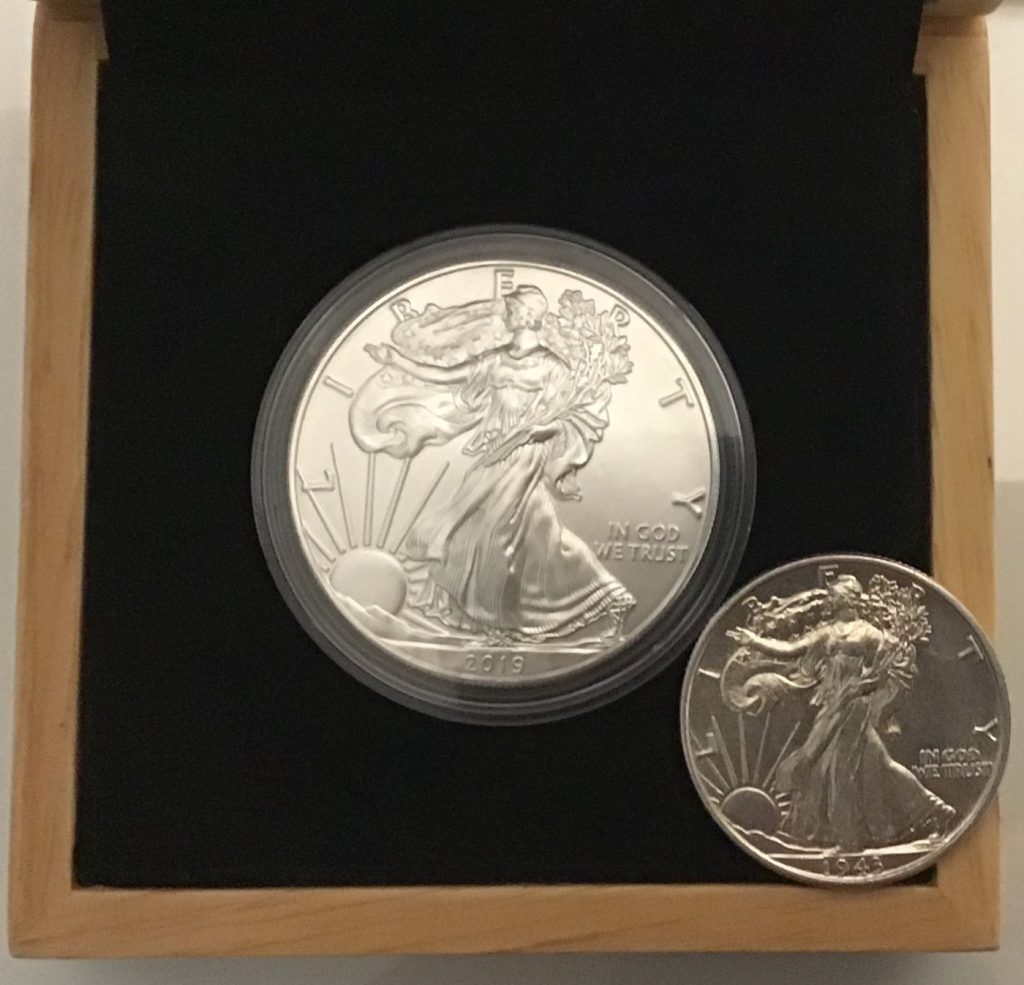
A mint is a factory that makes coins.
What happens inside
Metal is made into a strip or a planchet — a blank. What a planchet is. The blank is stamped between two dies. That puts the design on both sides. Extra metal may form a rim. Some coins get reeds, the ridges on the edge. Why coins have ridges. Then the mint counts, bags, and ships.
Proof coins are struck more carefully, often more than once, for collectors. Proof vs bullion.
Government mint vs private mint
A government mint, such as the United States Mint, makes legal tender coins. A private mint makes bars, rounds, and medals. Those can be honest metal. They are not government coins. Government vs generic. Authorized purchasers.
Mint marks
A small letter shows which plant struck the coin. P, D, S, W, and older letters like CC and O are US examples. Where is the mint mark?
Errors
If a blank is wrong, or a die is damaged, or a strike is off-center, you get an error. Real errors are uncommon. Most things people call errors are damage. Error-coin hype. Where coins began.
More on the coin and money library.
Extra pad history for what a mint is
A mint is a factory that makes coins. Metal is made into a strip or a planchet — a blank. The blank is stamped between two dies. That puts the design on both sides. Extra metal may form a rim. Some coins get reeds, the ridges on the edge. Why coins have ridges. Then the mint counts, bags, and ships. Proof coins are struck more carefully, often more than once, for collectors. Proof vs bullion.
A government mint, such as the United States Mint, makes legal tender coins. A private mint makes bars, rounds, and medals. Those can be honest metal. They are not government coins. Government vs generic. Authorized purchasers take bullion Eagles in volume.
Mint marks, errors, and the pad
A small letter shows which plant struck the coin. P, D, S, W, and older letters like CC and O are US examples. If a blank is wrong, or a die is damaged, or a strike is off-center, you get an error. Real errors are uncommon. Most things people call errors are damage. Error-coin hype. Where coins began.
We still weigh. We still look at the edge. We do not treat a sold-out Mint page as a future bid. US Mint vs shop. Do not “improve” a mint product with polish. Don’t clean. Seigniorage is why the factory cares what the blank costs.
People also ask
Is a private mint a fake mint? No. Different product. Not legal tender.
What does a mint mark change? Sometimes collector demand. Not the metal content.
Are proofs made at a different factory? Sometimes a different plant. Always a different process.
Does “mint state” mean it came from a mint set? It means no wear. Different from a mint set box.
Extra pad history for how a mint works
A mint is a factory that turns planchets into coins with dies and a press. US circulating coins come from Philadelphia, Denver, and sometimes San Francisco and West Point. The letter on the coin is the factory, not a secret grade.
What the shop does
Mint mark first on anything that might be a key. Where is the mint mark?. Proofs from San Francisco are not automatically scarce. Proof set vs mint set.
People also ask
Is no mint mark an error? Usually it is Philadelphia.
Does S always mean proof? No. S also made business coins.
Is a private mint the US Mint? No. Medal vs coin.