
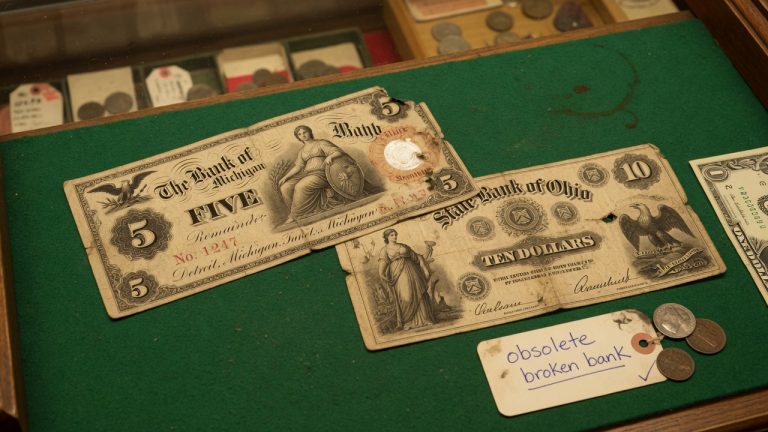
Obsolete and broken-bank notes: pretty paper from banks that closed
Obsolete notes (broken-bank notes) are private and state-bank paper from before national bank notes took over in the 1860s. Many…
Read →The public coin and money library, plus dealer guides — what people bring to a shop, how money works, and how shops run.
Start in the library · Coin history · Visitors · SpotPro for dealers
Obsolete notes (broken-bank notes) are private and state-bank paper from before national bank notes took over in the 1860s. Many…
Read →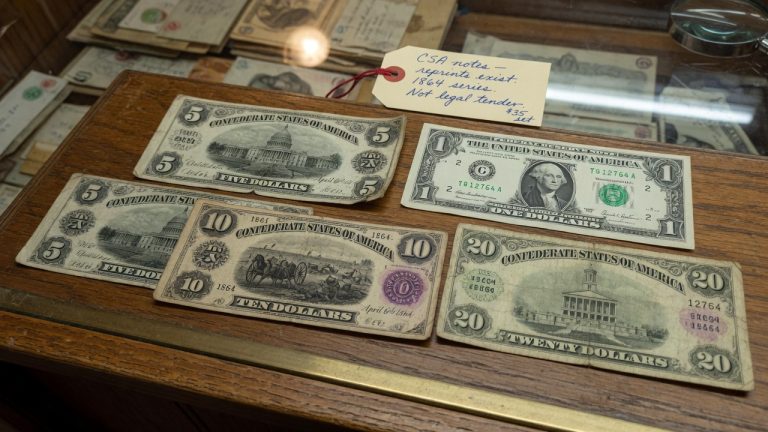
Confederate States notes (1861–1864) are Southern wartime paper. They are not US legal tender and they are not “gold.” Common…
Read →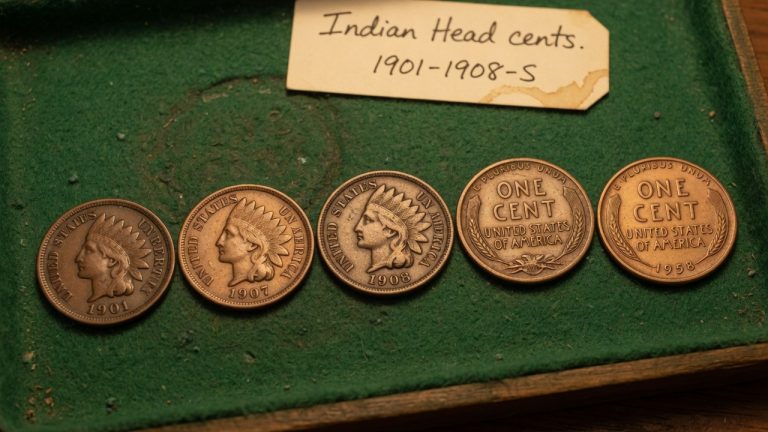
Indian Head cents ran 1859–1909. Most later bronze dates are common. 1877, 1908-S, and 1909-S are the keys. 1859 has…
Read →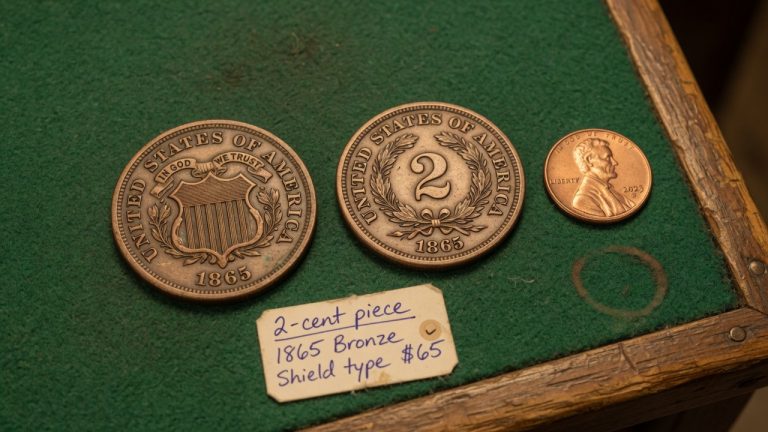
The US two-cent piece (1864–1873) is a bronze coin with a shield. It was the first US coin to carry…
Read →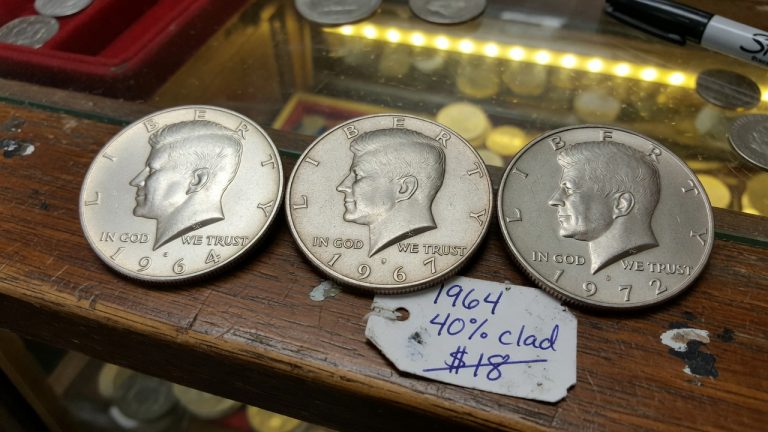
Kennedy half dollars start in 1964. That year is 90% silver. 1965 through 1970 are 40% silver. 1971 and later…
Read →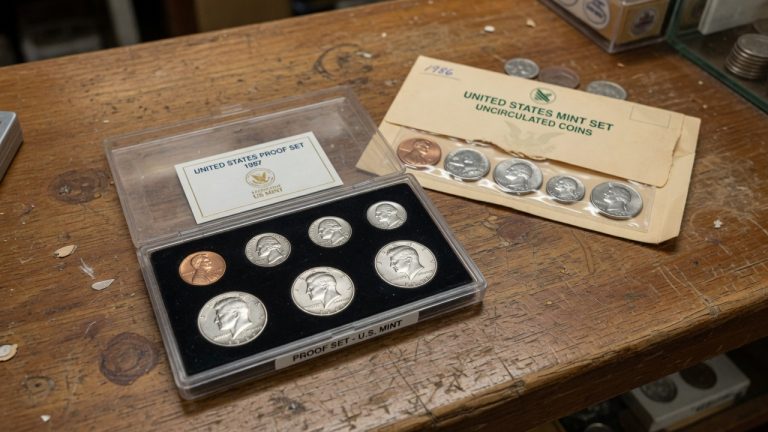
A proof set is specially struck collector coinage with mirror fields. A mint set (uncirculated set) is regular business-strike coins…
Read →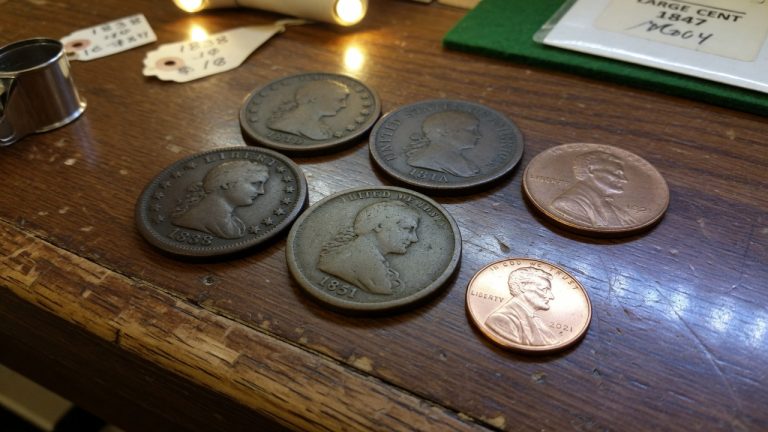
US large cents (1793–1857) are copper coins the size of a half dollar. Later Coronet and Braided Hair dates are…
Read →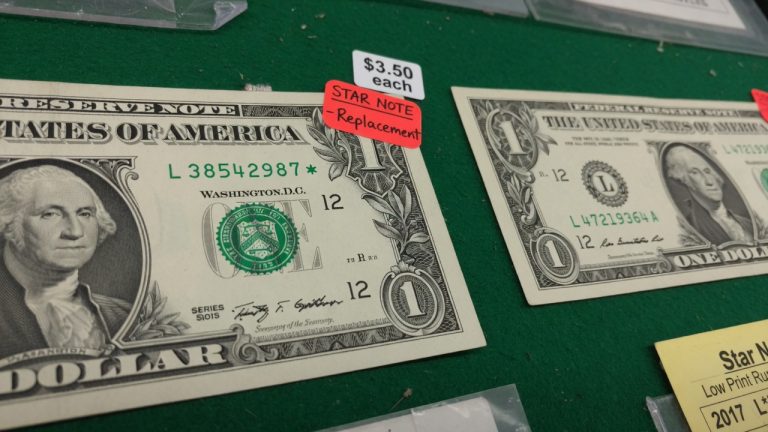
A star note is a replacement Federal Reserve note. The star sits at the end of the serial (or the…
Read →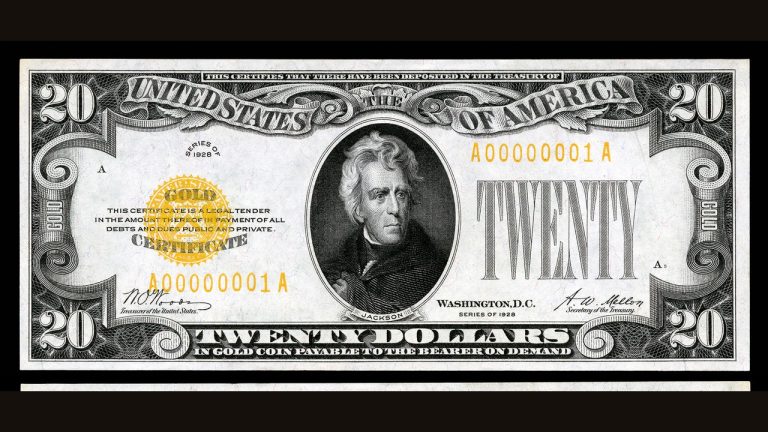
US gold certificates are paper that once paid in gold coin. Small-size 1928 and 1934 notes have an orange-gold seal.…
Read →