
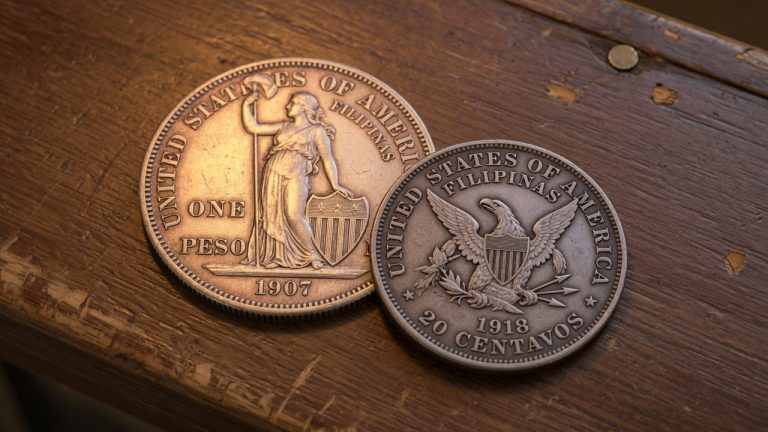
US-Philippines coins: United States of America on one side, Filipinas on the other
From 1903 to 1945 the US struck coins for the Philippines. Silver 10, 20, 50 centavos and pesos are a…
Read →The public coin and money library, plus dealer guides — what people bring to a shop, how money works, and how shops run.
Start in the library · Coin history · Visitors · SpotPro for dealers
From 1903 to 1945 the US struck coins for the Philippines. Silver 10, 20, 50 centavos and pesos are a…
Read →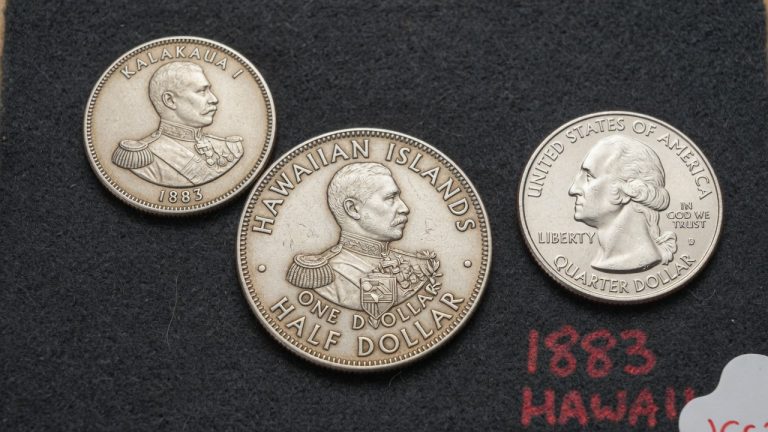
The Kingdom of Hawaii struck silver dimes, quarters, halves, and dollars in 1883 at the San Francisco Mint, with King…
Read →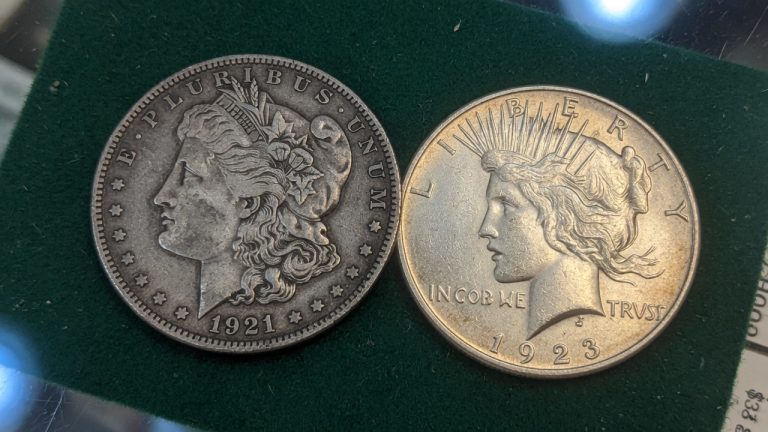
Morgans (1878–1904 and 1921) and Peace dollars (1921–1935) are both 90% silver. Common worn dates are melt plus a little.…
Read →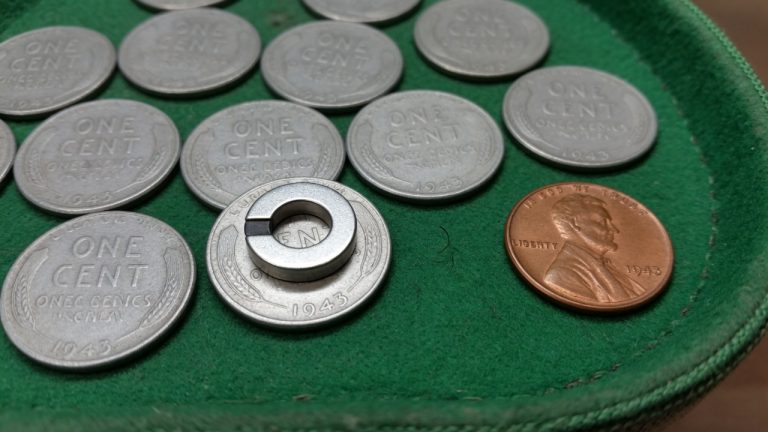
In 1943 the Mint made Lincoln cents on zinc-coated steel to save copper. A magnet sticks. Most are common and…
Read →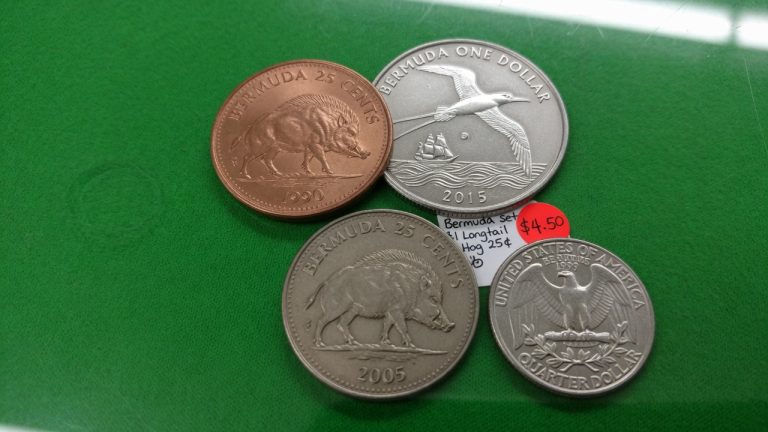
The Bermuda dollar has been pegged to the US dollar since 1970. Circulating hog 25-cent and longtail dollar coins are…
Read →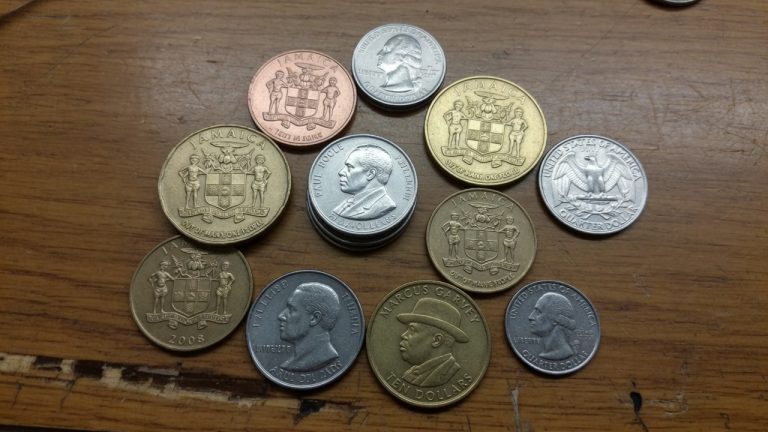
Jamaica decimalized in 1969. The Jamaican dollar is not pegged to the US dollar and has not been worth a…
Read →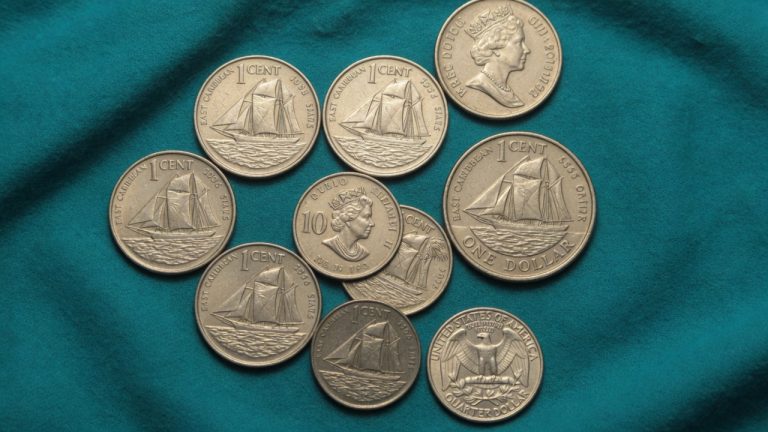
The East Caribbean dollar has been pegged at EC$2.70 per US dollar since 1976. It serves eight islands. Circulating coins…
Read →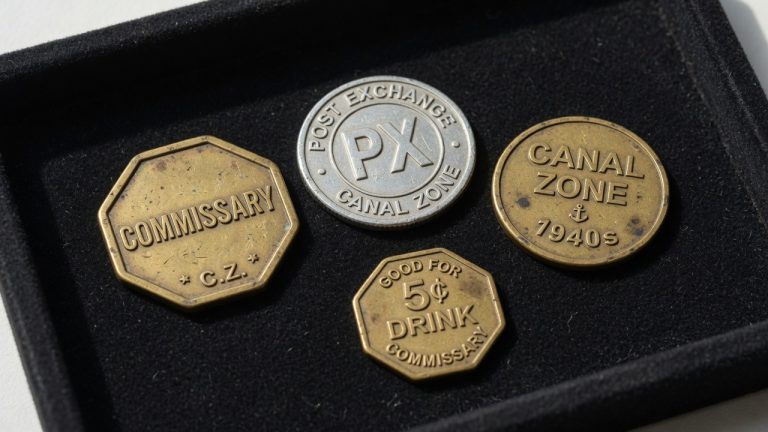
The Canal Zone spent US dollars. Commissary, club, and PX tokens were for a counter, a drink, or a bus.…
Read →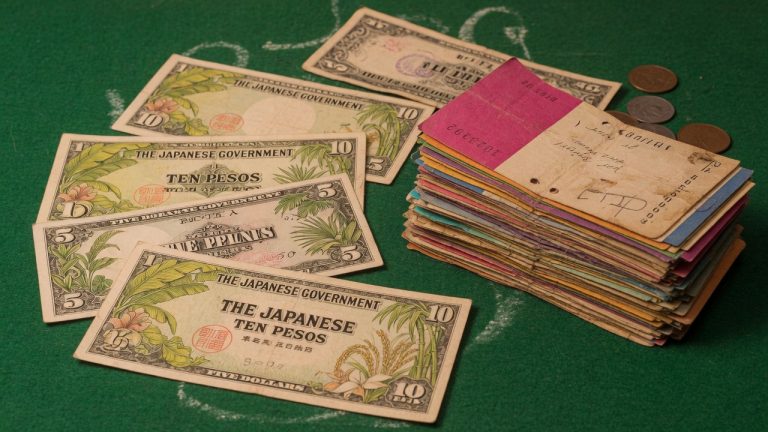
Japan printed occupation notes for the Philippines, Malaya, Burma, the Indies, and Oceania. Filipinos called them Mickey Mouse money. After…
Read →