
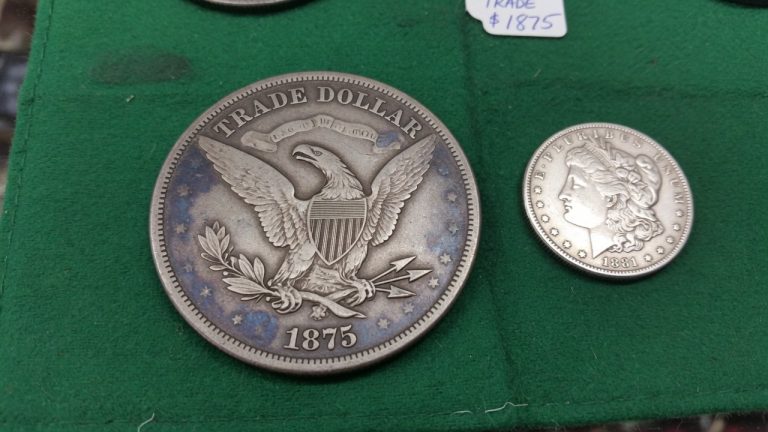
Trade dollars: the heavier dollar they sent to China
US Trade dollars (1873–1885) are 420-grain .900 silver coins made for Asian commerce, not for a US cash register. Chop…
Read →The public coin and money library, plus dealer guides — what people bring to a shop, how money works, and how shops run.
Start in the library · Coin history · Visitors · SpotPro for dealers
US Trade dollars (1873–1885) are 420-grain .900 silver coins made for Asian commerce, not for a US cash register. Chop…
Read →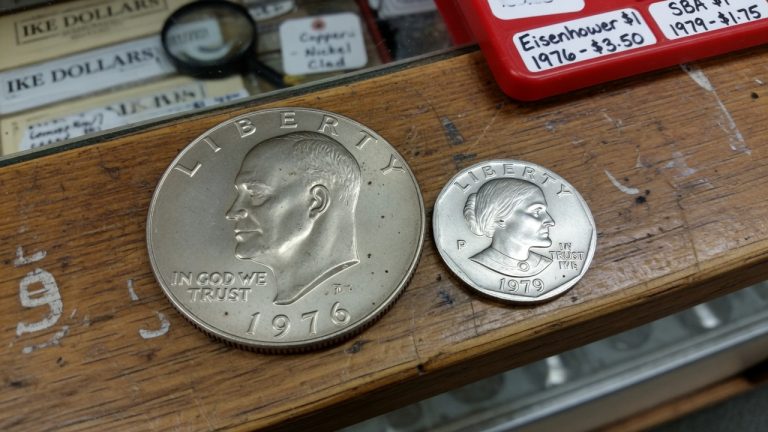
Eisenhower dollars (1971–1978) are the large dollar that replaced silver dollars in change. Most are copper-nickel clad. Blue-pack and brown-box…
Read →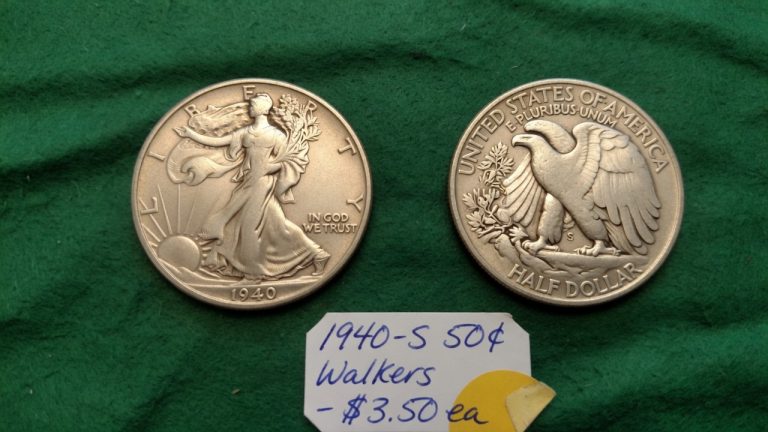
Walking Liberty halves (1916–1947) are 90% silver. Common 1940s dates are junk-plus. 1921-P/D/S and a short early list are keys.…
Read →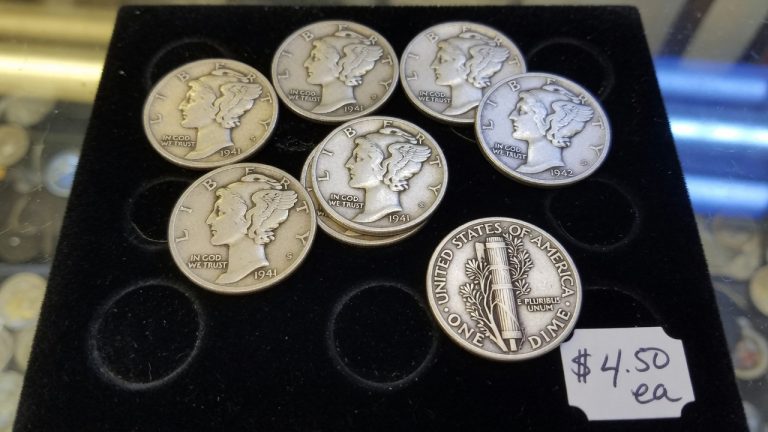
Mercury dimes (1916–1945) are 90% silver Winged Liberty Heads, not the Roman god. Common worn dates are junk silver. 1916-D,…
Read →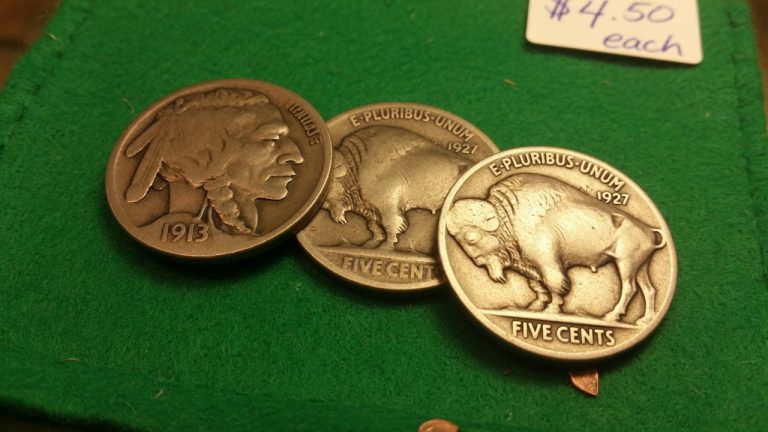
Buffalo nickels (1913–1938) are copper-nickel, not silver. Most worn dates are a few dollars. 1913 Type 1 vs Type 2,…
Read →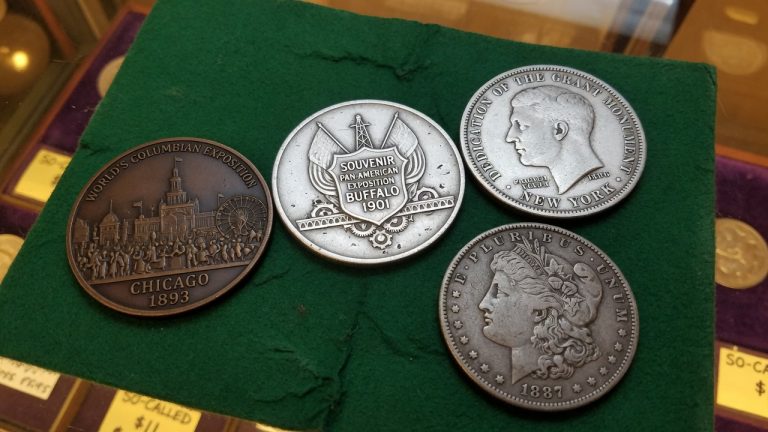
So-called dollars are US commemorative medals about the size of a silver dollar, catalogued by Hibler and Kappen (HK numbers).…
Read →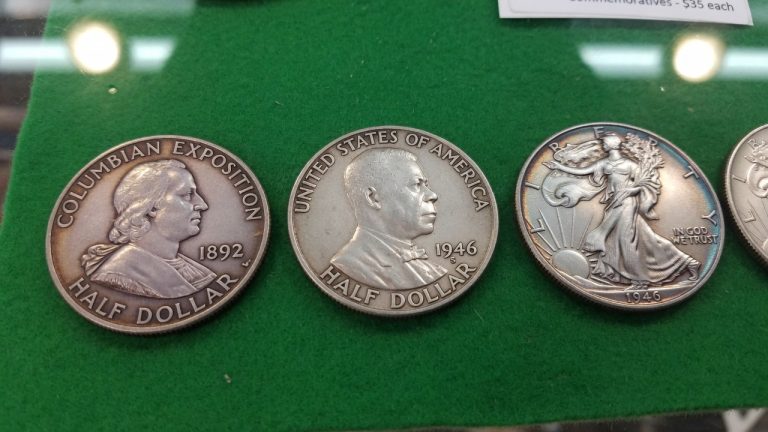
US classic commemorative halves (1892–1954) are 90% silver with a story on them. The 1892–93 Columbian is the one in…
Read →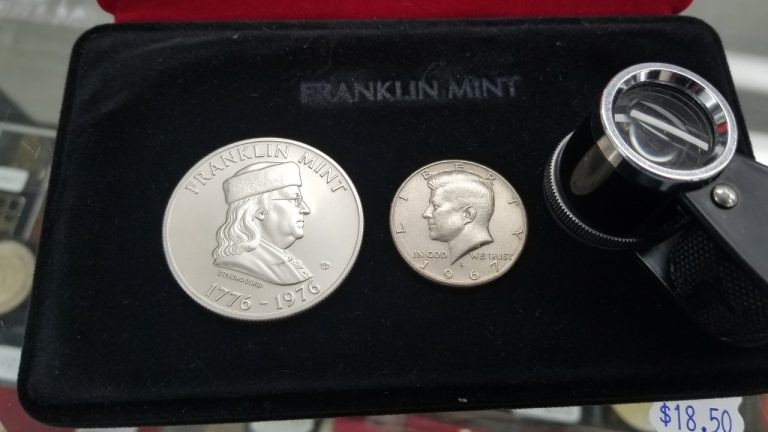
A coin is issued as money and has a denomination. A medal is art in metal. Franklin Mint silver is…
Read →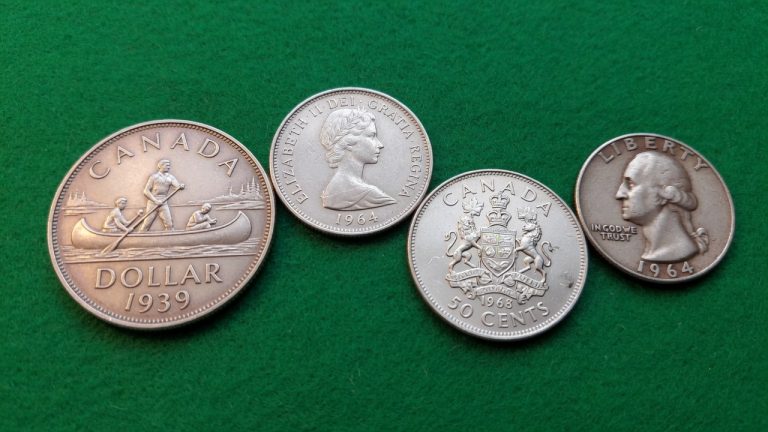
Canadian dimes, quarters, halves, and dollars from 1920 through 1966 are 80% silver. 1967–1968 drop to 50%, then nickel. Do…
Read →