
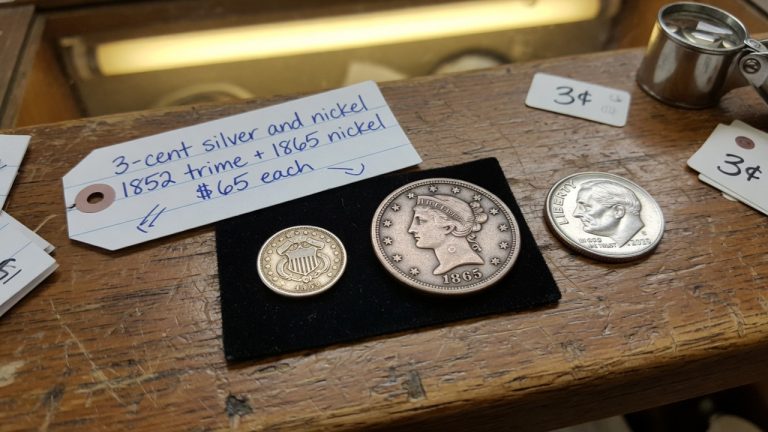
Three-cent pieces: the tiny silver trime and the nickel three-cent
The US made two three-cent coins. The silver three-cent (1851–1873) is tiny. The nickel three-cent (1865–1889) is larger and copper-nickel.…
Read →The public coin and money library, plus dealer guides — what people bring to a shop, how money works, and how shops run.
Start in the library · Coin history · Visitors · SpotPro for dealers
The US made two three-cent coins. The silver three-cent (1851–1873) is tiny. The nickel three-cent (1865–1889) is larger and copper-nickel.…
Read →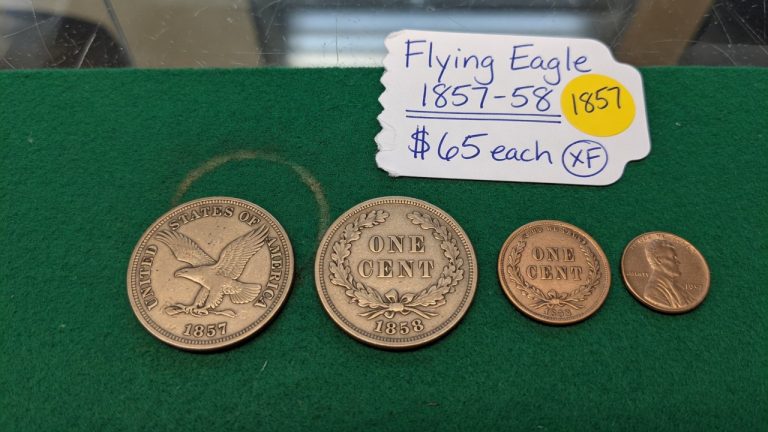
Flying Eagle cents were struck 1856–1858. They are copper-nickel, not gold and not bronze. 1857 and 1858 are the circulation…
Read →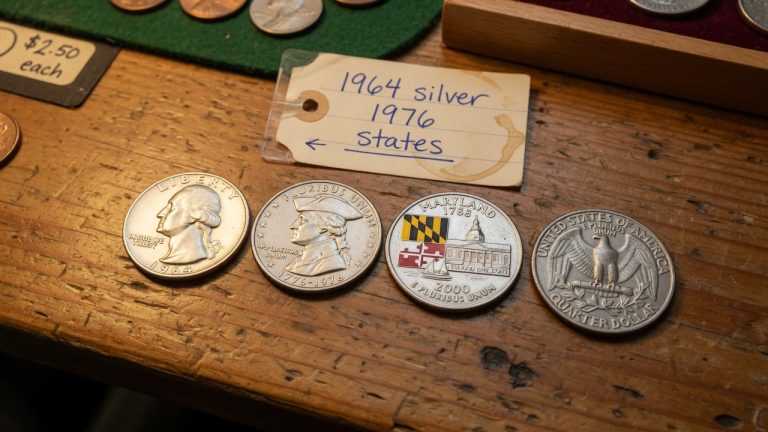
Washington quarters start in 1932. 1932-D and 1932-S are the keys. 90% silver through 1964, then clad. 1976 is the…
Read →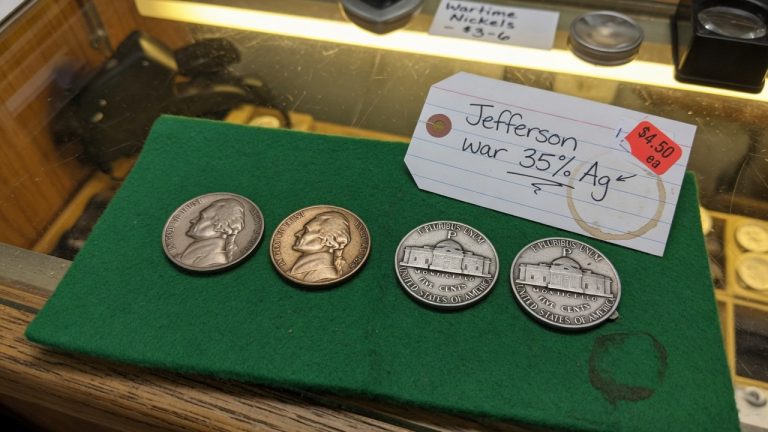
Jefferson nickels start in 1938. Most are copper-nickel face value. Mid-1942 through 1945 war nickels are 35% silver — look…
Read →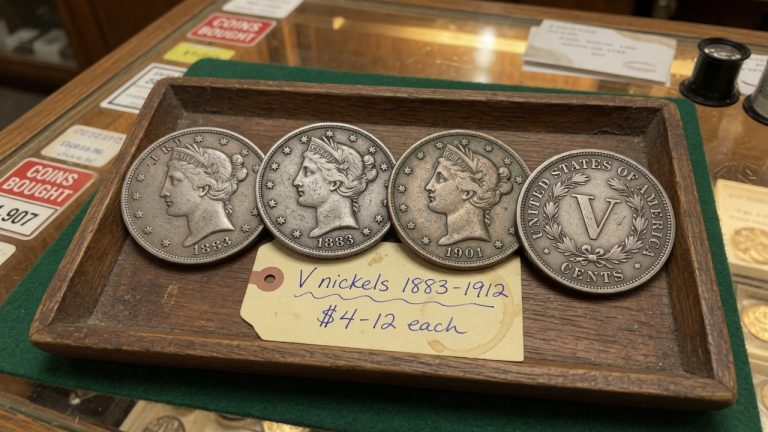
Liberty Head nickels (1883–1912) are copper-nickel, not silver. 1883 comes with and without CENTS. 1885, 1886, and 1912-S are the…
Read →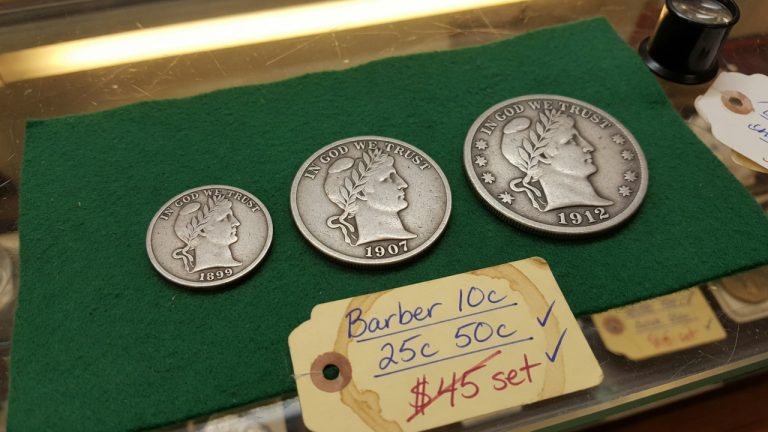
Barber dimes, quarters, and halves (1892–1916) share Charles Barber’s Liberty head. All are 90% silver. Common worn dates are junk-plus.…
Read →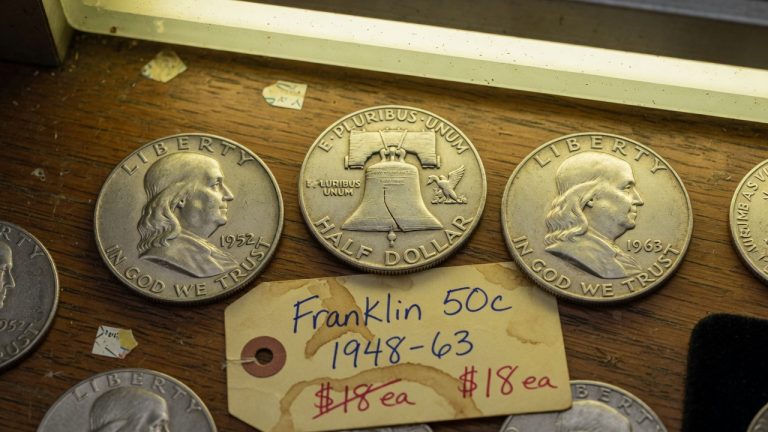
Franklin half dollars (1948–1963) are 90% silver. Common dates are junk-plus. Full Bell Lines is a grade talk. The 1955…
Read →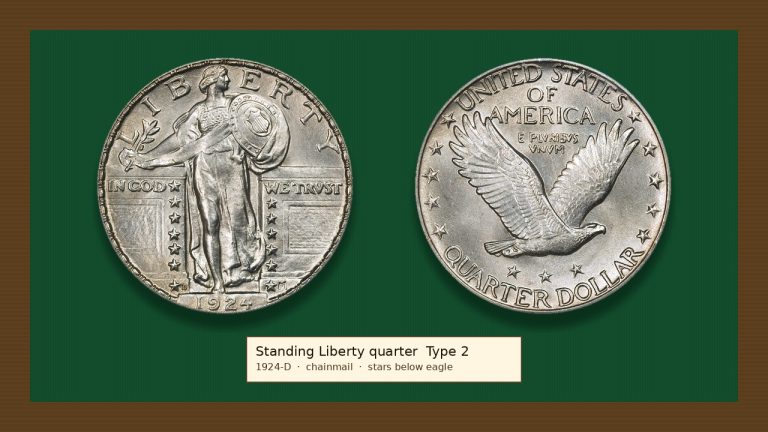
Standing Liberty quarters (1916–1930) are 90% silver. Type 1 (1916–early 1917) has an exposed breast; Type 2 adds chainmail. 1916…
Read →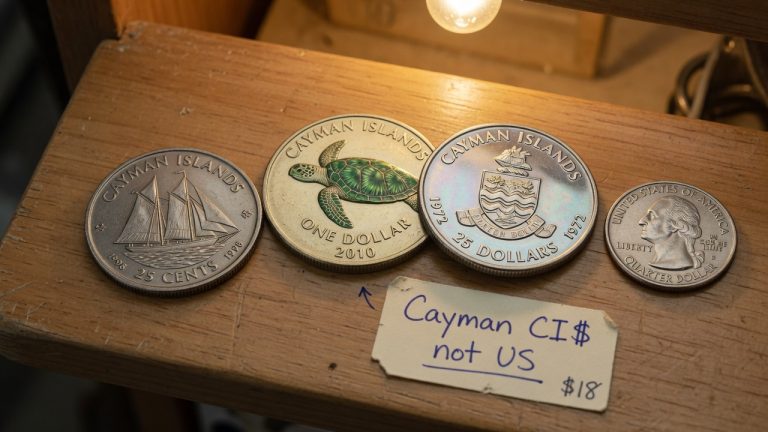
Cayman Islands coins say Cayman Islands. The Cayman dollar is pegged near US$1.20–1.25, not 1:1 like the Bahamas or Bermuda.…
Read →