
← Back to articles · Coin Dealer information ·
The Red Book is not a dealer buy-price guide
Why A Guide Book of United States Coins feels authoritative, what it is actually for, and why raw ungraded coins almost never sell to a shop at “the book price.”
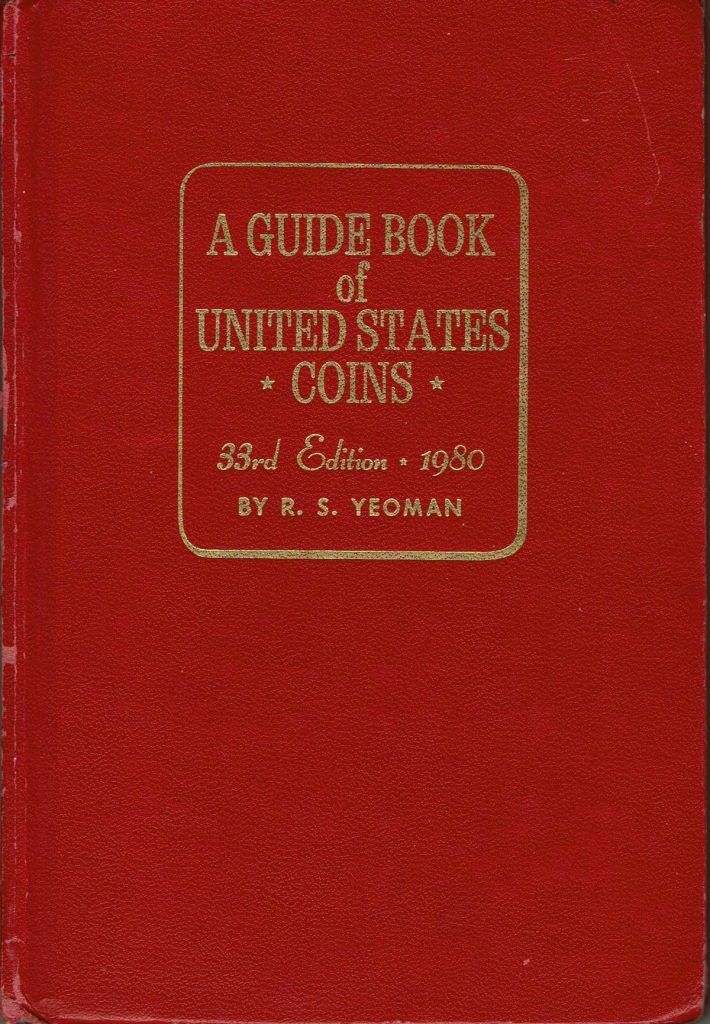
Almost every American who inherits a coffee can of coins eventually finds a red hardcover book at the library, a big-box store, or an uncle’s shelf: A Guide Book of United States Coins — the Red Book. It is a real book. Serious people use it. It is also one of the biggest sources of heartbreak at the coin shop counter, because people treat the numbers in it like a guaranteed cash offer from the store.
They are not.
What the Red Book is good for
Think of the Red Book as a collector’s field guide and a feel-good map of the hobby. It helps you:
- Identify denominations, types, and mint marks
- See which dates are common and which are scarce in a general sense
- Learn mintages and a bit of history
- Get ballpark retail-ish figures for coins in specific conditions as the editors frame them
That is valuable. If you are building a collection and shopping retail, it is a friendly companion. If you are selling raw, ungraded coins to a dealer who has to turn around and resell them, it is the wrong tool for the job.
What the book is not
The Red Book is not:
- A cash bid from your local shop
- A liquid wholesale market ticker
- A promise that your coin in “average circulated” is the same animal as the picture-perfect example next to a high number
- A grading service. “Looks uncirculated to me” is not the same as a third-party grade
The resale math nobody puts on YouTube
A shop that pays you has to make a living. Rough picture, not a law of physics:
- They pay you today in cash or check
- They take risk that the market moves, the coin was cleaned, or the “error” is damage
- They may sit on the piece for weeks or months
- They pay rent, staff, insurance, card fees, and the time to photograph and list
- When they sell, the next buyer wants a deal too
So when someone points at a Red Book line that looks like a few hundred dollars for a raw coin and expects that number at the counter, the shop is often looking at a coin they might hope to retail later for a fraction of the dream number — sometimes in the neighborhood of something like 30% of what a casual reader thinks “the book says” for a graded, perfect example, and sometimes less if the coin is common, damaged, or cleaned. That 30% figure is not a precise industry formula. It is a way to say: the gap between “feel-good book retail for a nice example” and “what a dealer can pay for raw material today” is huge, and people regularly underestimate how huge.
Graded vs raw
A coin in a PCGS or NGC holder with a solid grade is a different product than the same date rattling in a plastic tube. The book’s higher columns often assume nicer condition than the piece in your hand. Dealers price the coin in front of them, not the best photo in the book.
Bullion is a different conversation
Modern bullion (eagles, maples, bars) is mostly about spot price plus or minus a premium. The Red Book is not how shops price an American Silver Eagle on a Tuesday afternoon. For that, look at live spot and the shop’s posted premiums — many shops show buy and sell boards for exactly this reason.
A healthier way to use the Red Book
Use it to learn names and types. Use it to get curious. Then walk into a shop ready to hear a market offer. If you want retail, sell retail yourself (auction, collector forums, your own time and fees). If you want speed and certainty, you are selling wholesale. Wholesale is not an insult. It is a service.
The Red Book can make you a better collector. It cannot force a dealer to pay collector retail for raw coins they have to resell.
Keep going with how shops think about value and how bad reviews get written when book prices meet real offers.
Same category of confusion: coin apps, Etsy asks, and YouTube jar videos are not cash bids either.
Guide prices still assume the right date, mint, and grade. Background: mintage and condition beat calendar age.