
← Back to articles · Hobby & visiting shops ·
Troy ounces, purity, and melt value explained
Kitchen ounces will mislead you. Here is how shops think about weight, fineness, and the melt number on a buy ticket.
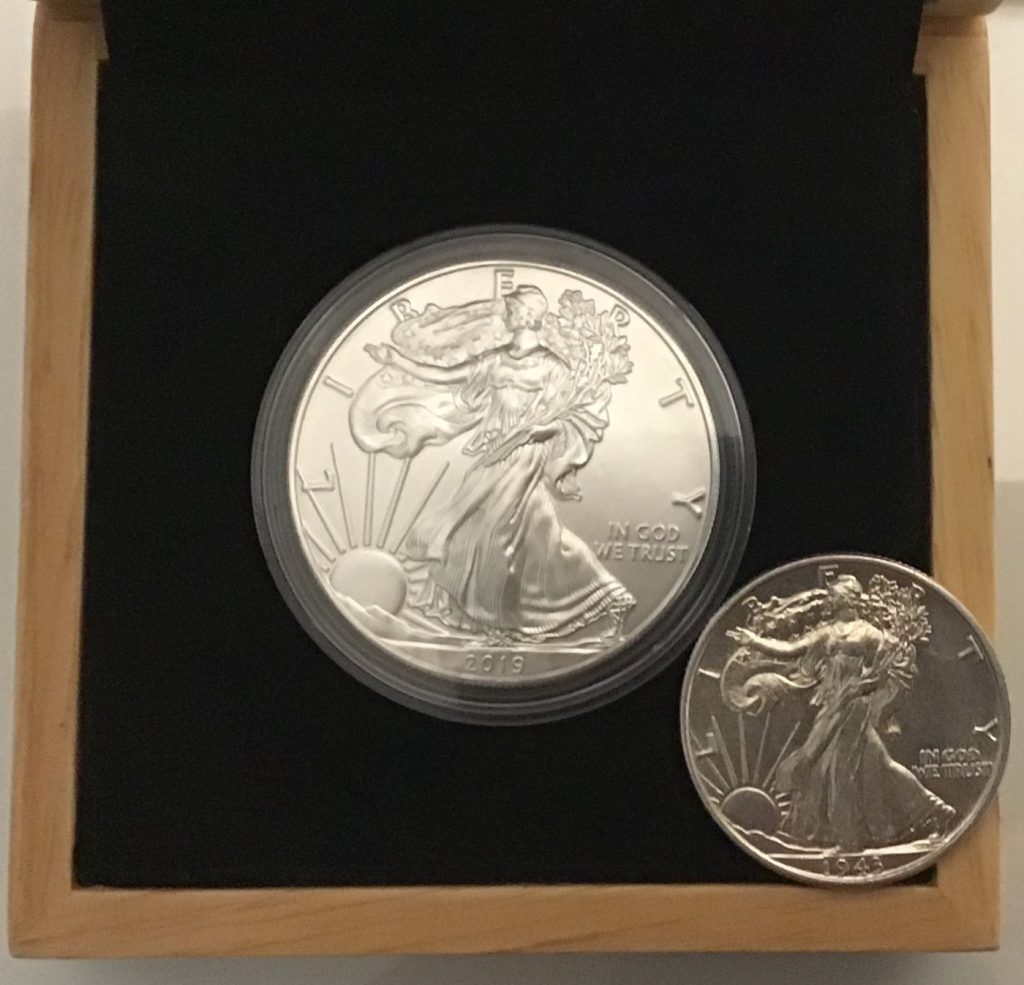
If you remember one technical fact, remember this: precious metals use troy ounces. A troy ounce is heavier than a standard avoirdupois ounce you cook with. Mixing them up is how online arguments get stupid.
Purity / fineness
.999 fine means 99.9% pure metal. Classic U.S. gold eagles are 22k gold with a total weight over a troy ounce so the pure gold content is 1 oz. Silver eagles are 1 troy oz of .999 silver. Scrap jewelry might be 10k, 14k, 18k — different pay tables.
Melt value
Melt is the metal content × spot × (for scrap) the shop’s pay percentage. It is the floor story for non-numismatic material. Dealer pay on scrap is not 100% of melt; businesses do not work for free. Bullion coins often trade near melt plus a product premium, not “melt only.”
Why your calculator disagreed with the shop
- Different spot timestamp
- You used the wrong ounce
- You ignored purity
- You compared retail ask to wholesale bid
- You forgot the shop’s published scrap percentage
Keep reading
Worked mental examples
A 1 oz silver eagle contains one troy ounce of .999 silver. Its melt is basically spot × 1, before product premium. A 14k gold chain is not “gold price times the scale weight” — only a fraction of that weight is pure gold, and the shop’s pay percentage applies on top of that.
Classic American Gold Eagles are 22 karat: the coin weighs more than a troy ounce so that the pure gold content is one ounce. That confuses new buyers who put them on a kitchen scale and panic. Learn the product, not just the metal.
Scrap tables vs bullion boards
Scrap gold uses karat schedules. Bullion coins use product bids. Do not apply scrap thinking to eagles or eagle thinking to broken class rings. Shops will patiently explain once. They will not rewrite physics for a review threat.
How this fits the bullion-first view
Whenever a topic gets complicated — grades, packaging, fashion, stories — ask whether you are still doing the investment job or you have drifted into the hobby job. Bullion is usually the better investment sleeve because weight and purity settle arguments faster than opinions. Collectibles can still be wonderful. They just should not be forced to pretend they are simple savings products.
Map of the whole path: What physical ownership really covers · Core comparison: Collectible vs bullion.
Applying melt math to jewelry and miniatures: tiny gold coins, use gold, and 10k/14k novelties.