
← Back to articles · Hobby & visiting shops ·
Understanding premiums and spreads on physical metal
Spot is not your price. Premiums when you buy and spreads when you sell are the real cost of physical ownership.
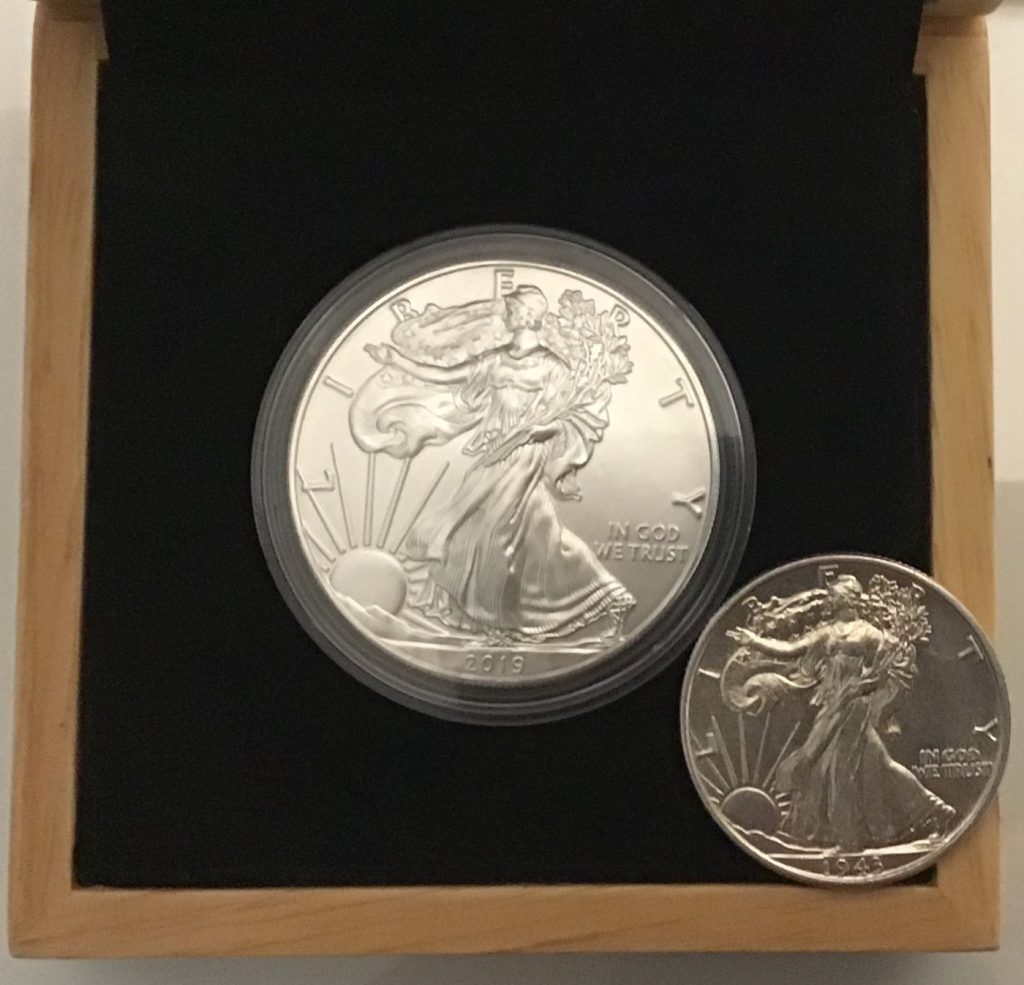
New buyers fixate on spot. Dealers live in premiums and spreads. Spot is the reference. Your invoice is spot plus reality.
Buy premium
When you buy a silver eagle, you pay more than raw melt. That extra covers minting, distribution, dealer margin, and demand. In stressed markets, premiums can jump even if spot is flat. That is not automatically a scam; it can be supply.
Sell side
When you sell, the shop bids below their sell price. The gap is how lights stay on. Shopping multiple bids is rational. Calling the gap “theft” because a video ignored it is not.
How to keep costs sane
- Prefer common products with deep markets
- Avoid paying collectible premiums on common modern bullion gimmicks
- Buy size you can hold long enough that spread is not a tragedy
- Compare total exit price, not just the shiny buy advertisement
If you cannot explain the spread out loud, you are not ready to size a large position.
Keep reading
Why premiums expand in chaos
When retail demand spikes, mints and wholesalers ration product. Dealers who must replace inventory pay more, so retail premiums rise. Spot might even fall while your buy price feels worse. That is supply chain plus fear, not necessarily a morality play.
How to compare two shops fairly
- Same product, same day, same payment method
- Ask both buy and sell so you see the full round trip
- Include taxes or shipping if online
- Factor trust and testing — free “savings” on a fake is not savings
Collectibles and invisible spreads
A raw coin that “should be worth $400” according to a guide may only bring $180 wholesale today. That gap is a spread made of risk and opinion. Bullion spreads are usually easier to measure. That measurability is a big reason bullion wins for investment sleeves.
How this fits the bullion-first view
Whenever a topic gets complicated — grades, packaging, fashion, stories — ask whether you are still doing the investment job or you have drifted into the hobby job. Bullion is usually the better investment sleeve because weight and purity settle arguments faster than opinions. Collectibles can still be wonderful. They just should not be forced to pretend they are simple savings products.
Map of the whole path: What physical ownership really covers · Core comparison: Collectible vs bullion.