
← Back to articles · Hobby & visiting shops ·
Horse blanket notes: large-size U.S. paper money before 1929
Why early U.S. notes were huge, what “horse blanket” means, which types existed, and why the government shrunk currency to modern small size.
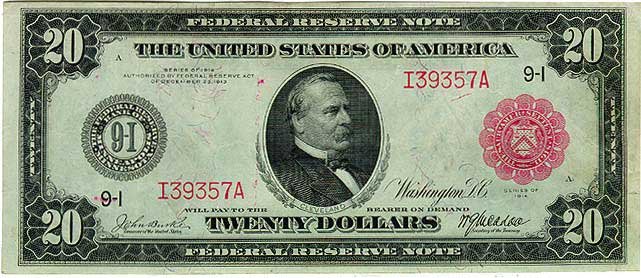
Collectors call large-size U.S. notes “horse blankets” because they are dramatically bigger than the bills in your wallet. Until the series changes that produced modern small-size currency (introduced into circulation with the 1928/1929 transition story the public remembers as the shrink), American paper money was a larger sheet of engraving — impressive, harder to pocket neatly, and full of design variety that thrills specialists.
Why so big?
Nineteenth- and early twentieth-century note design followed engraving traditions, anti-counterfeiting ornament, and institutional habits more than modern wallet ergonomics. Banks, governments, and the public accepted large formats as normal. There was no smartphone case forcing a redesign.
What kinds of large notes existed
The large-size era includes multiple families people mix up: Demand Notes and Legal Tender (United States Notes), National Bank Notes, silver certificates, gold certificates, Federal Reserve Notes, Federal Reserve Bank Notes, and more. Each family has a “why” — war finance, national banking structure, metal certificates, or the Federal Reserve System after 1913.
A “horse blanket” is a size nickname, not a single series. Always identify type, series year, seal, and signatures when possible.
Why the U.S. went small-size
Smaller notes saved paper and production cost at scale, fit modern commerce, and standardized handling for a continental economy. The transition was a government production decision with public adjustment — not a secret plot. Designs changed; purchasing power stories belong to macroeconomics, not the millimeter of the margin alone.
Collecting and estates
Large notes can be valuable in high grade or rare varieties; common worn examples are historical art. Never “press” folds with a hot iron as a cleanup plan. Sleeve them. For large accumulations, use a paper-money-competent dealer or auction path.
See also: fractional currency, gold and silver certificates.
Educational history and product guidance — not legal, tax, or investment advice. Laws and policies change; verify current rules for your situation. Images used for education are public-domain or freely licensed historical references where sourced from open repositories.
Handling large notes
Support the whole sheet; do not snap folds open like a newspaper. Use archival sleeves sized for large notes. Humidity and sunlight fade seals and paper. Storage is half of paper collecting.