
← Back to articles · Hobby & visiting shops ·
Golden dollars: Sacagawea, Presidential, Innovation — brass, not gold
US “golden dollars” since 2000 are manganese brass over a copper core. About 8.1 g. They look gold. They are not gold. Native American and Innovation dollars use the same alloy.
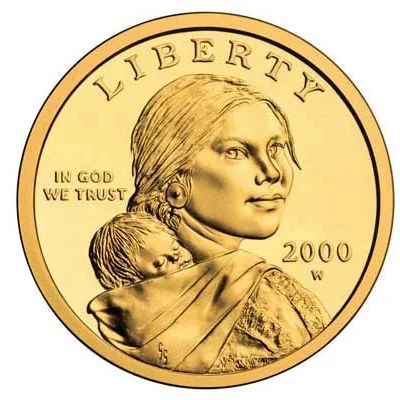
The US Mint has issued gold-colored $1 coins since 2000. Sacagawea (and later Native American reverses). Presidential dollars 2007–2016. American Innovation dollars 2018-on. They are the same alloy: manganese brass over a copper core, about 8.1 g. 88.5% copper, a little nickel. Melt is about a dime of copper — not a gold coin.
Why they look gold
The cladding is brass. Color is not metal. A real 1 oz gold coin is about 31 g and is marked with the ounce weight. Gold Buffalo vs golden dollar. Tiny actual gold dollars 1849–1889 are a different, much smaller coin.
How to tell them apart from Ikes
Ikes are large 1971–1978 dollars, about the size of a Morgan. Golden dollars are smaller, closer to a Sacagawea / SBA diameter. Gold-plated Ikes from TV are still the clad (or 40% silver) Ike plus a wash. Eisenhower dollars. 1971 Ike melt.
Live melt
Sacagawea · Presidential. Identify path: meltprices.com/identify#gold. A jar of these is face value plus a copper melt that is not worth a special trip. A shop will still glance for errors. Do not expect gold money.