
← Back to articles · Physical ownership ·
Gold certificates and silver certificates explained
What gold and silver certificates were, how they differed from Federal Reserve notes, and what ended domestic convertibility for ordinary Americans.
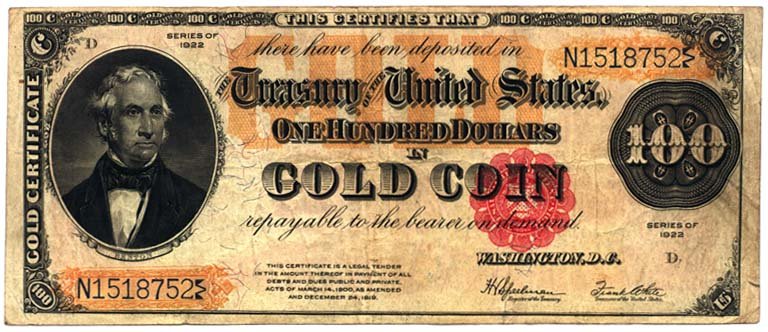
Americans once used paper that literally said it represented gold or silver payable to the bearer under the rules of the time. Gold certificates and silver certificates are the famous types. They are ancestors of “paper standing in for metal” — and their later restriction is core to understanding why your wallet holds Federal Reserve notes today.
Silver certificates
Silver certificates were backed in the statutory sense by silver dollar or silver bullion arrangements defined by law across different eras. They were everyday notes for generations. Collectors love educational designs and star notes; the public remembers the blue seal on later small-size examples.
Gold certificates
Gold certificates represented gold coin or gold bullion claims under the rules then in force. They were tools of a gold-linked paper system. High denominations and vivid designs make them paper-money royalty when original and high grade.
What changed for the public
Domestic gold ownership and convertibility rules tightened dramatically in the 1930s under Depression-era policy (including gold recall measures for the public and a revalued gold price framework). Much later, the international dollar-gold link for foreign official holders ended in 1971 — see our Bretton Woods / Nixon Shock articles. Silver certificate redeemability into silver for the public also ended in the 1960s as silver left circulating coinage.
The short version: paper that once pointed at metal was progressively decoupled as policy chose managed currency over domestic metal convertibility.
Collecting today
These notes are collectibles and historical documents. They are not current claims you can cash for gold at a bank window. Buy them for history and design; stack modern bullion if your goal is metal ounces you can hold.
Educational history and product guidance — not legal, tax, or investment advice. Laws and policies change; verify current rules for your situation. Images used for education are public-domain or freely licensed historical references where sourced from open repositories.
Orange-seal notes as their own page: Gold certificates. Star notes.