
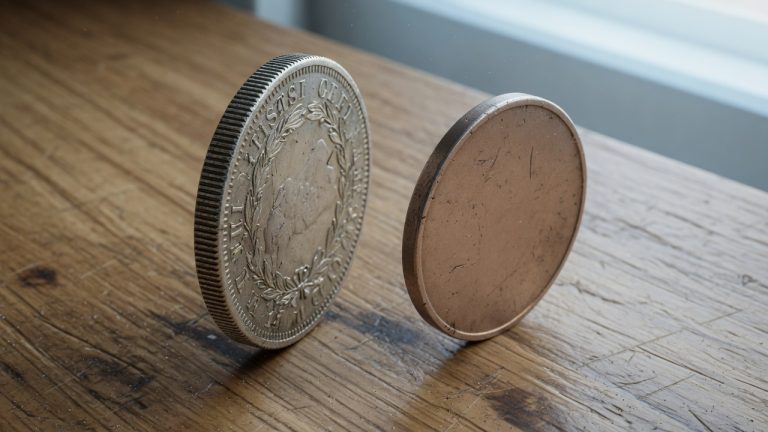
Why coins have ridges on the edge
Reeding was added so people could not shave gold and silver off the edge and pass the coin at full…
Read →The public coin and money library, plus dealer guides — what people bring to a shop, how money works, and how shops run.
Start in the library · Coin history · Visitors · SpotPro for dealers
Reeding was added so people could not shave gold and silver off the edge and pass the coin at full…
Read →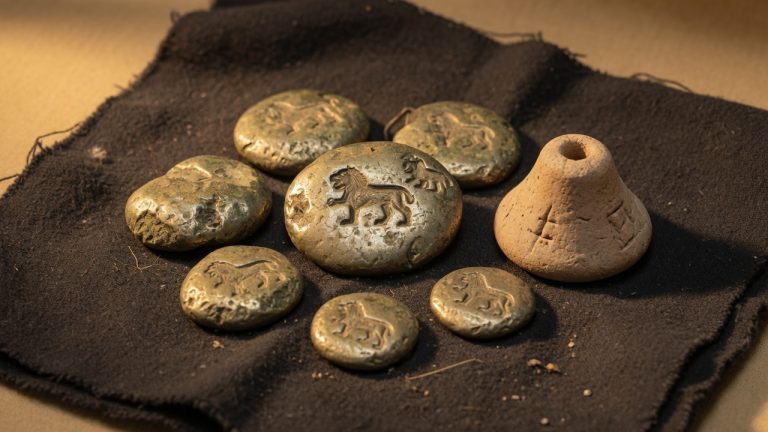
The first coins were stamped lumps of mixed gold and silver in ancient Lydia, around the 7th century BC. The…
Read →
Inflation means each dollar buys less. Face-value coins stay at face value. Silver and gold coins do not. That is…
Read →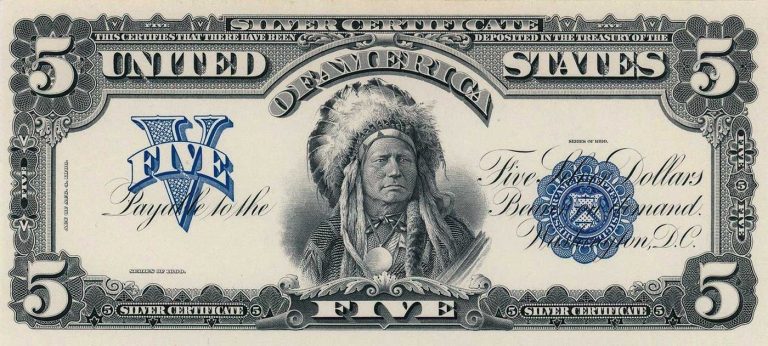
The Federal Reserve is the central bank of the United States. It influences interest rates and the supply of dollars.…
Read →
A banknote is paper or polymer money. It is a promise, not a piece of metal. In the United States…
Read →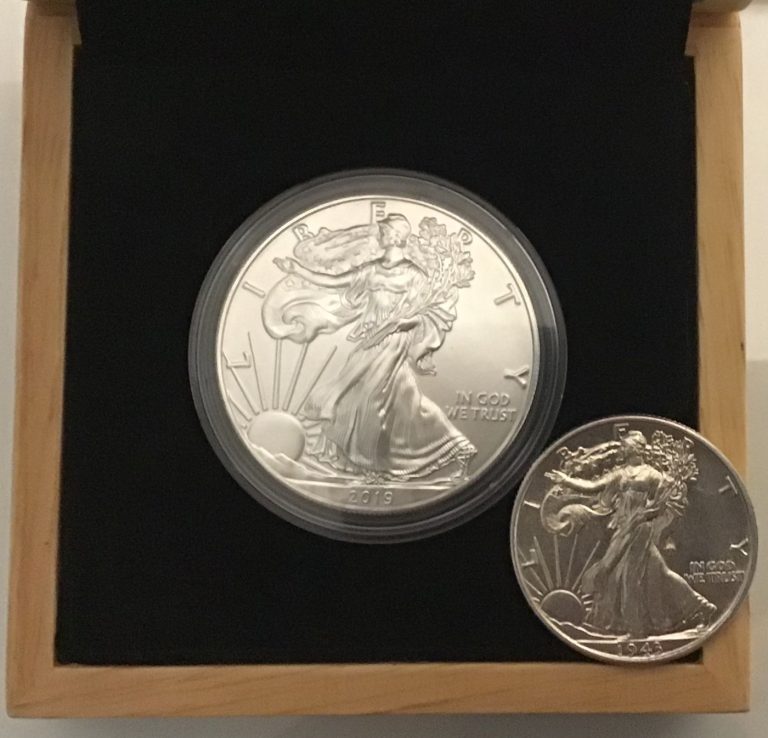
A mint is a factory that makes coins. It cuts blanks, stamps designs, and counts the result. A government mint…
Read →
Face value is the number stamped on the coin. It is spending money. It is not what a shop pays…
Read →
Legal tender is money a court will recognize for a debt. It does not force a shop to take a…
Read →
Money is what people accept to settle a debt. It can be metal, paper, or a number in a bank.…
Read →