
← Back to articles · Hobby & visiting shops ·
Why bullion is usually the better physical investment
Not romance — plumbing. Liquidity, tighter spreads, fewer grade fights, and a market that prices weight before feelings.
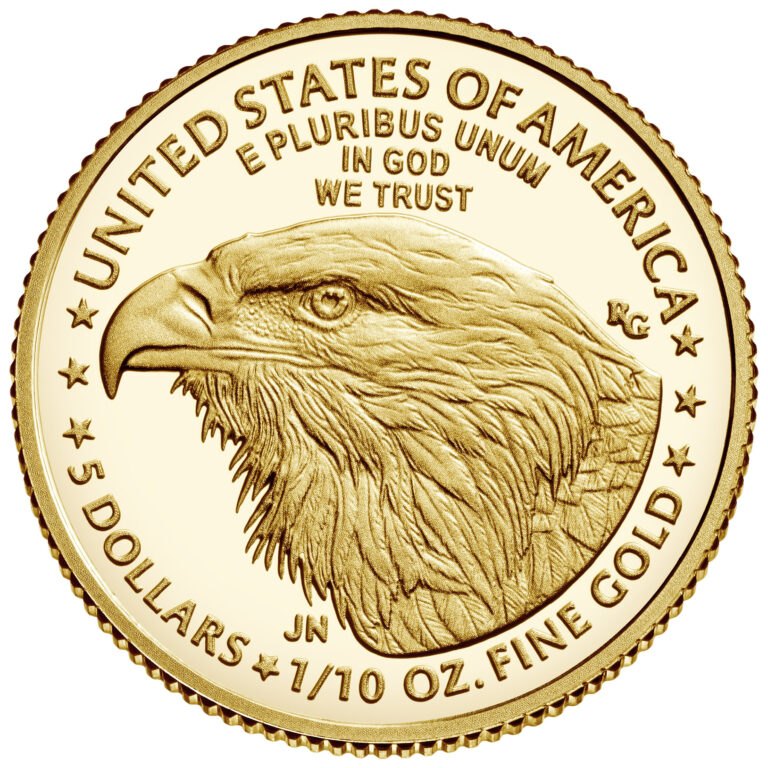
If you only read one “investment” article on this site, make it this one. Bullion is not magic. It does not pay a dividend. It can sit still for years while stocks run. What it does well is physical ownership with fewer subjective arguments.
The grade problem in one paragraph
A collectible coin’s price is a conversation about quality. Your eyes, the dealer’s eyes, a grading service’s opinion, and the next buyer’s taste all get a vote. Bullion’s price is mostly a conversation about weight, purity, and product premium. You can still get stuck with a weird private mint bar, but a 1 oz American Gold Eagle is a 1 oz American Gold Eagle in a way a “maybe AU Morgan” is never just a Morgan.
Liquidity is a feature
Investments you cannot exit are hobbies with a balance-sheet costume. Common bullion products have deep two-way markets: shops, online dealers, and peer networks all understand them. Niche collectibles may wait months for the right collector. Waiting is fine for a hobby. Waiting is painful if you need tuition money in two weeks.
Spreads and “invisible fees”
Every physical product has a buy price and a sell price. On bullion, that gap is often explainable: mint premium, brand, order size, and the shop’s need to make a living. On collectibles, the gap can include uncertainty, authentication risk, and “we may sit on this a long time.” Wider uncertainty means wider spreads. Wider spreads mean you need a bigger win just to break even.
Bullion is still not a free lunch
- You pay premiums over spot when you buy and give up spread when you sell
- You must store and possibly insure it
- Counterfeits exist — buy recognized products and test when needed
- Spot can fall for long stretches
- Large cash transactions can involve ID and reporting rules depending on how you settle
Who bullion is for
People who want a portion of savings outside the banking app. People who like the idea of metal they can hold. People who do not want to become professional graders. People who want heirs to understand the inventory without a PhD in die varieties.
Who should not force bullion into a hobby-shaped hole
If what you actually love is hunting key dates, building sets, and talking history, pure bullion may bore you into bad decisions (like chasing “rare” modern junk). Buy the hobby for joy. Buy bullion for the savings job. Keep the accounts separate in your head.
Bullion wins the investment job because it fails fewer human tests: fewer opinions, faster bids, clearer inventory, easier estates.
Keep reading
A side-by-side that shows up at the counter
Bring two items on the same day: a common 1 oz gold bullion coin and a raw “semi-key” that needs interpretation. Watch how fast the bullion number appears. Watch how many sentences the collectible needs. That timing difference is the investment argument in human form.
Volatility vs ambiguity
Bullion price moves. That is volatility. Collectible price disputes add ambiguity on top of volatility. Most households can live with volatility they can chart. Ambiguity that depends on a stranger’s mood is what wrecks plans.
You can still love coins
Nothing here says stop collecting. It says stop calling every collection an investment strategy. Clarity is kindness — to your future self and to the dealer who has to say no to a fantasy number.
Read next: when collectibles still make sense and the full comparison.