
← Back to articles · U.S. paper money history ·
From greenbacks to Federal Reserve notes: a short map of U.S. paper types
Legal Tender notes, nationals, silver and gold certificates, FRNs — what the major U.S. paper families were for.
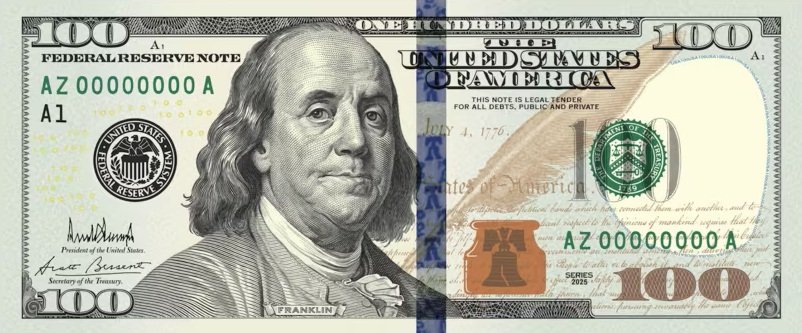
U.S. paper money is not one continuous sticker design. It is a stack of institutional experiments. This map keeps the families straight so estates and collectors stop calling everything a “silver certificate.”
Demand Notes and Legal Tender (United States Notes)
Civil War finance produced Demand Notes and then United States Notes (“greenbacks”) as fiat-leaning wartime paper with a long afterlife in various forms. They are foundational to the story of non-metallic federal paper.
National Bank Notes
Under national banking law, chartered banks issued notes backed by bonds on deposit — a distributed issuance system before the Federal Reserve era fully remade currency supply.
Certificates
Gold and silver certificates tied paper to metal under statute until policy ended ordinary convertibility paths.
Federal Reserve Notes
Today’s everyday U.S. currency is dominated by Federal Reserve Notes — obligations of the Federal Reserve System under U.S. law, circulating as the practical money of the country without public gold redeemability.
Why the map helps
Wrong names produce wrong values and wrong arguments. Identify the family first; grade second; price third.
Educational history and product guidance — not legal, tax, or investment advice. Laws and policies change; verify current rules for your situation. Images used for education are public-domain or freely licensed historical references where sourced from open repositories.
A sorting order for estates
- Separate large-size from small-size by physical dimensions
- Group by seal color/type families when possible
- Sleeve everything before flipping through like trading cards
- Pull star notes and odd serials for a second pass
- Do not assume “old looking” equals “gold certificate”
Wrong identification is how people sell a better note cheap or refuse a fair bid on a common FRN. Use the map, then a catalog or dealer.