
← Back to articles · U.S. coinage history ·
Continental Currency and the hard lesson of “not worth a Continental”
How Revolutionary paper money financed independence, why it depreciated, and how that trauma shaped later U.S. money debates.
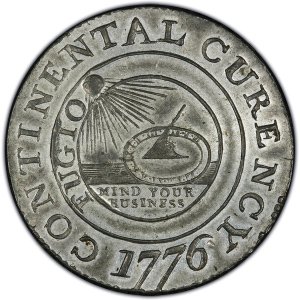
Continental Currency is more than a collector niche. It is the founding cautionary tale of American paper: a revolution funded with promises that markets eventually repriced brutally.
Why it was issued
The Continental Congress needed to pay for war without a mature tax engine or a full mint system. Paper was the available tool.
Why it failed as stable money
Over-issue, weak fiscal backing, enemy counterfeiting pressure, and collapsing confidence destroyed purchasing power. The phrase “not worth a Continental” memorialized that failure in everyday speech.
What it taught later generations
American politics kept oscillating between hard-money instincts and flexible paper finance. You can draw a crooked line from Continental depreciation anxiety to later fights over greenbacks, gold standards, and Federal Reserve notes — not as a single conspiracy, but as institutional memory.
Collecting
Genuine Continentals are historic; condition and issue details matter; fakes and later printings confuse beginners. Treat them as paper history, not spendable cash.
Educational history and product guidance — not legal, tax, or investment advice. Laws and policies change; verify current rules for your situation. Images used for education are public-domain or freely licensed historical references where sourced from open repositories.
Counterfeiting as warfare
Enemies understood that wrecking confidence in rebel paper was strategic. Counterfeits and rumors amplified depreciation. Modern readers should hear an old lesson: money is a coordination technology; when trust dies, paper dies first.