
← Back to articles · Hobby & visiting shops ·
XRF, acid, and Sigma: what the tests at the counter actually mean
No single gadget ends the argument. Acid is ugly and honest. XRF is pretty and fooled. Sigma listens to the inside. Big lots deserve more than one trick.
People want a magic wand that says REAL in green letters.
There is no wand. There are tools. Each one lies in a different dialect.
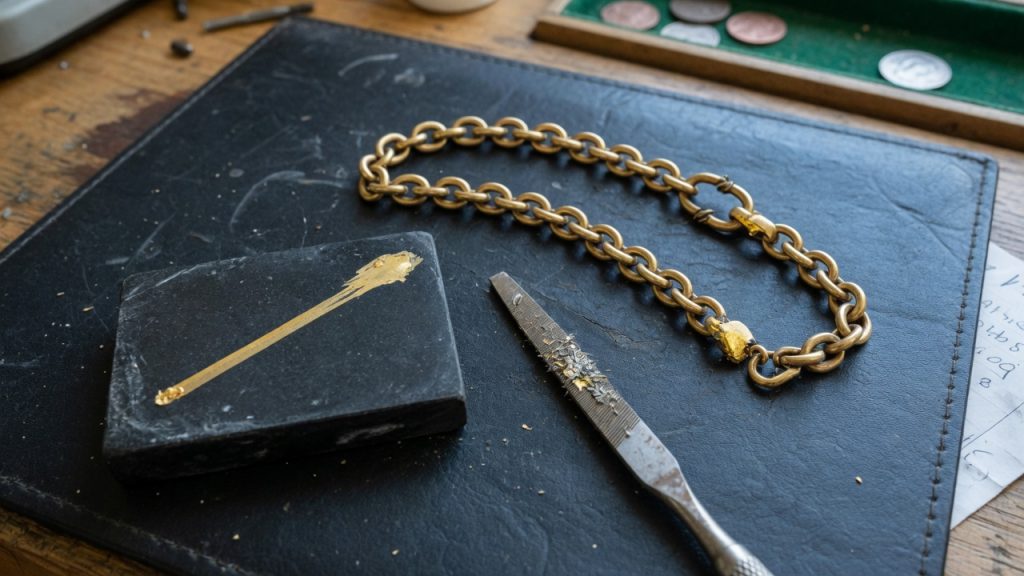
Acid / touchstone
Old. Ugly. Cheap. A file mark, a drop, a color. It tells karat on a surface. It does not tell you what is in the middle of a thick bar. Great on chains. Incomplete on kilo bars.
Electronic testers / “Sigma” style
They ping the metal and listen. Good on coins and thin bars. Can be fooled by thick plating, odd alloys, or a tungsten core with a heavy gold skin if the operator is lazy. A good operator tests more than one spot and still weighs.
XRF
A gun that reads surface chemistry. Impressive on a jewelry pad. Still a surface. A plated bar can look rich. Combine it with weight, dimensions, and common sense.
Weight and size
A real one-ounce eagle has a boring, known weight and diameter. If it is light, thick, or magnet-happy, stop talking about gadgets. Tungsten bars. Counterfeit gold and silver.
What you should see
More than one method on anything expensive. Tests on the pad, not in a closet. Numbers on the ticket. In front of you.
If they wave one beep over a stack of 20 bars and call it a day, that is a vibe, not a lab.
Part of the coin shop counter wiki · visitors & collectors · NumisQ Learn