
← Back to articles · Physical ownership ·
Why the U.S. lost gold in the 1960s: official conversions and reserve pressure
A focused look at U.S. gold outflows under Bretton Woods — how foreign official dollar holders converted claims to gold, France’s role, and why stockpiles fell before 1971.
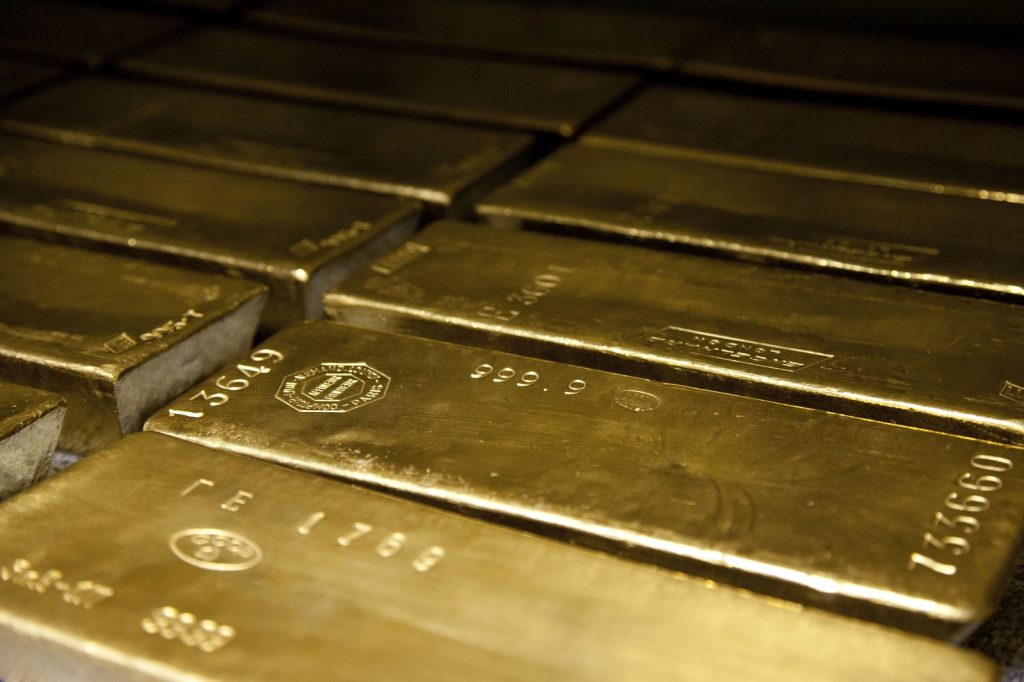
U.S. gold reserves were not looted by pirates in a movie sense. Under Bretton Woods rules, foreign official institutions that held dollars could, in principle, present them for gold at the official price. When they did so in size, gold left U.S. stocks. That is how a reserve currency promise becomes a physical shipment schedule.
Reserves are not infinite theater props
A fixed official gold price plus growing foreign official dollar balances creates arithmetic risk. If confidence wobbles, conversion demand rises. If conversions rise, gold stocks fall, which can further wobble confidence. Policymakers in the 1960s knew they were managing a strained system.
France’s pointed strategy
French policy in the de Gaulle years openly preferred gold and challenged dollar primacy. Conversions into gold were a tool of that preference and critique. American officials and commentators at the time debated whether this was prudent monetary conservatism or a political jab — or both. Either way, the gold moved.
Not only France
Other countries adjusted reserves too. Focusing only on France makes a good story and misses shared systemic stress: U.S. balance-of-payments issues, Vietnam-era fiscal pressure narratives, inflation worries, and the structural Triffin tension. France was a visible accelerant and critic, not the sole law of physics.
After the outflows
By the time Nixon closed the gold window in 1971, the political system chose to stop bleeding gold under the old official rules rather than deflate or restructure fast enough to save the peg as-is. Whether one cheers or boos that choice, the reserve loss story is central to why “the gold standard ended” in the form people mean for the modern dollar.
Educational history and product guidance — not legal, tax, or investment advice. Laws and policies change; verify current rules for your situation. Images used for education are public-domain or freely licensed historical references where sourced from open repositories.