
← Back to articles · Hobby & visiting shops ·
Large cents and half cents: copper money before the small cent
Why early U.S. cents were huge, how half cents fit small change, and what worn copper is usually worth today.
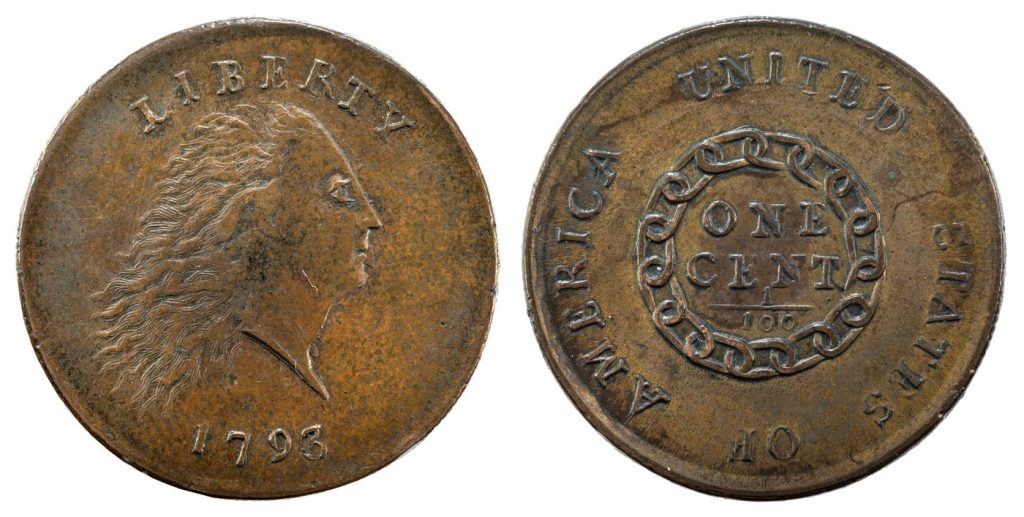
Before the small cent of 1857, U.S. one-cent coins were large copper pieces — hefty, soft, and often worn nearly slick in circulation. Half cents handled even smaller transactions in an economy that still thought in fractions of a dollar carefully.
What estates bring
Coffee cans of dark copper. Most are common low-grade large cents. A few dates/varieties are significant. Identification first, fantasies second.
Conservation
Do not wire-wheel copper. Do not bake it. Ugly original is better than shiny ruined.
Educational content — not legal or investment advice.
Large copper is a tactile history lesson. Weight and diameter feel nothing like a modern Zincoln. Most low-grade pieces are educational and inexpensive; the market concentrates money in scarce dates, varieties, and high-grade survivors. Bring uncertain pieces to a shop that handles early copper — not every counter is a specialist, and that honesty is useful.
Keep reading this site: U.S. coinage history · paper money history · visitors & ownership · SpotPro help.
The half-dollar-sized cent: Large cents.
The half-dollar-sized cent as a full page: Large cents. Flying Eagle is what comes next in 1857. Common late Braided Hair large cents are type copper, not keys. Do not dip them.
Braided Hair in the 1850s is the large cent people actually bring. It is old copper, not a 1793 Chain. Large cents is the counter page. Flying Eagle and Indian Head come after. Do not dip the copper.