
← Back to articles · Physical ownership ·
Bimetallism in plain English: why gold and silver ratios drove U.S. mint policy
How defining both gold and silver as money forced the Mint and Congress into ratio politics — and why some coins vanished from circulation.
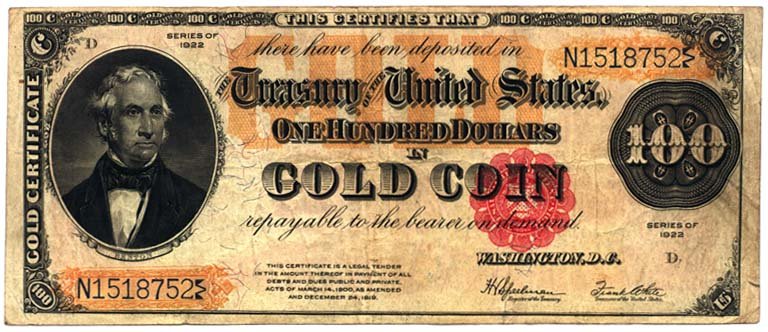
Bimetallism means the law tries to treat both gold and silver as monetary anchors with a fixed ratio. Markets may disagree with the legal ratio. When they do, the “wrong” metal gets driven out of circulation or into export — Gresham-style dynamics with American accents.
Nineteenth-century headaches
Free silver politics, Crime of 1873 debates, and mintage patterns all sit in this soup. You do not need a PhD to see the pattern: legal definitions and market prices fight; coinage volumes and which denominations appear are the battlefield.
Why it matters now
We no longer run classic bimetallism for pocket change. But the history explains Trade dollars, silver purchases, and why “the Mint just coins whatever” was never true.
Educational history and product guidance — not legal, tax, or investment advice. Laws and policies change; verify current rules for your situation. Images used for education are public-domain or freely licensed historical references where sourced from open repositories.
Gresham in one paragraph
If law undervalues a metal relative to the market, people hoard or export the “good” metal and spend the “bad.” Nineteenth-century U.S. coinage volumes and melt/export behavior often read clearer once you watch for that pressure. It is economics with mint marks, not mysticism.
The shop version: gold and silver used to be locked together by law. That fight is why you have Trade dollars, the 1873 changes, and later a gold standard that ends in the 20th century. 1971. It does not change that 1964 dimes are 90%.