
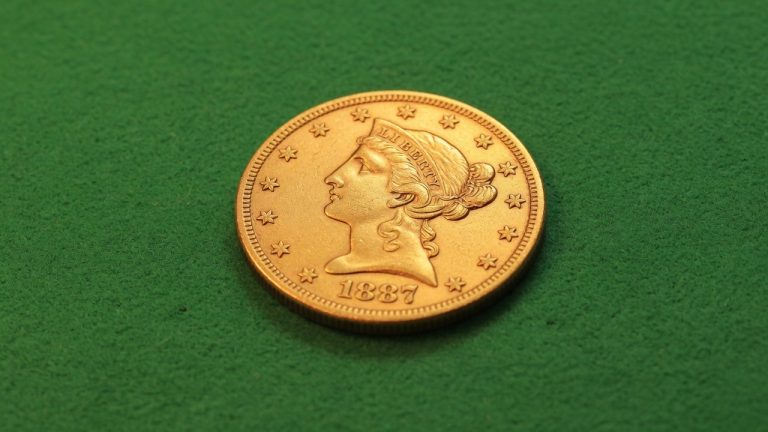
Liberty Head gold: the coronet $2.50, $5, $10, and $20
The long 19th-century US gold look. Coronet Liberty. Common later dates often trade as gold plus type. Early dates and…
Read →The public coin and money library, plus dealer guides — what people bring to a shop, how money works, and how shops run.
Start in the library · Coin history · Visitors · SpotPro for dealers
The long 19th-century US gold look. Coronet Liberty. Common later dates often trade as gold plus type. Early dates and…
Read →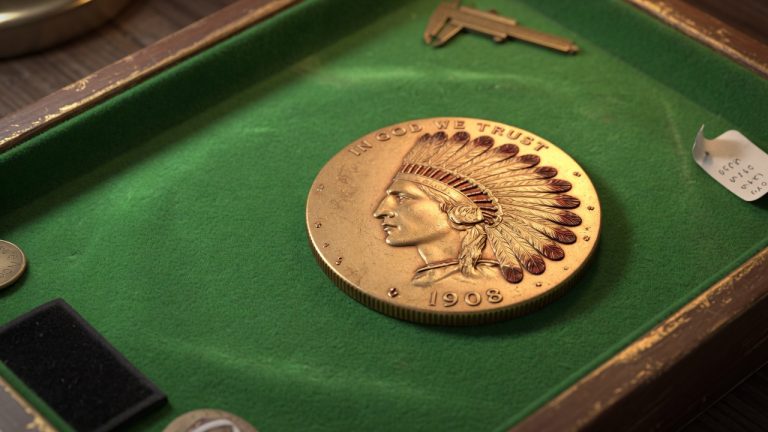
1908–1929 quarter eagles and half eagles. Incuse design. Real gold. Common dates track gold plus a type premium. Weigh and…
Read →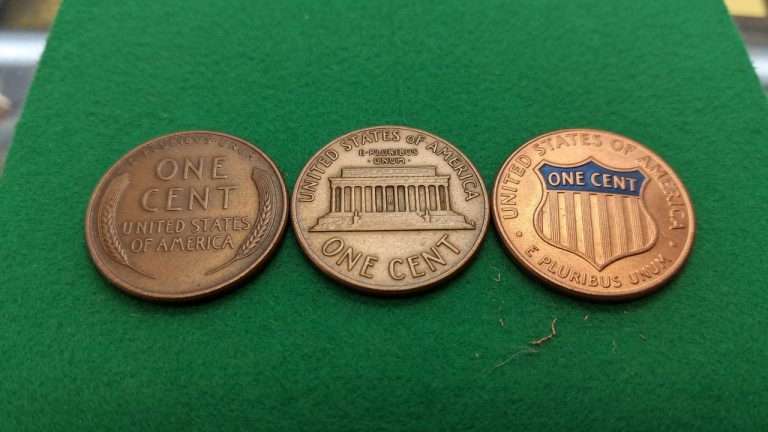
Same Lincoln, three backs. Wheat 1909–1958. Memorial 1959–2008. Shield 2010-on. 1943 is steel. Almost all of a coffee can is…
Read →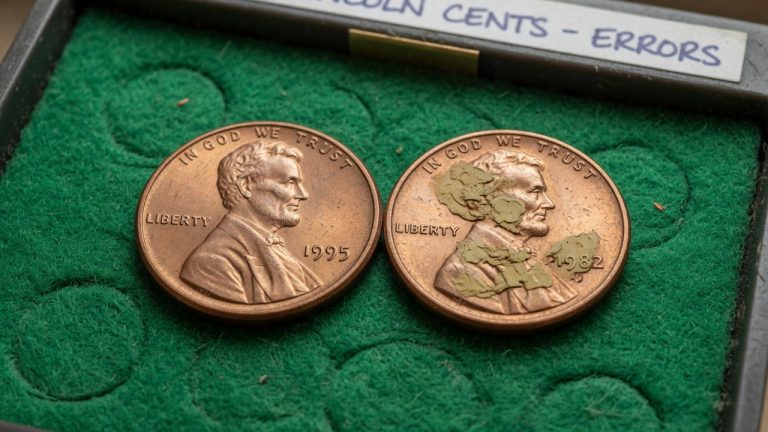
A variety is on the die and can repeat. An error happened at the press or to the planchet. Most…
Read →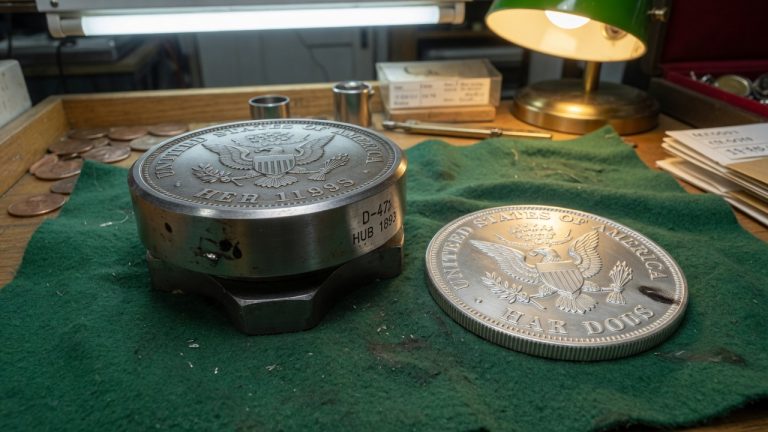
A die is the steel that stamps the picture. Two dies, a planchet, and a press. Wear on the die…
Read →Large pennies, shillings, and crowns are usually type copper or silver — not dollars. A sovereign is gold. We weigh…
Read →1860s private copper pieces when cents vanished. Patriotic tokens and store cards. Not US legal tender. Not Confederate notes. Common…
Read →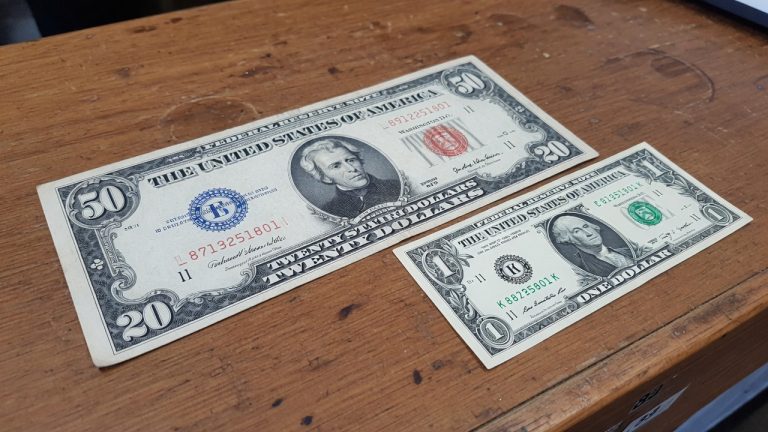
Before 1929 the notes were big. After that they are the size in your wallet. Large is not automatically rare.…
Read →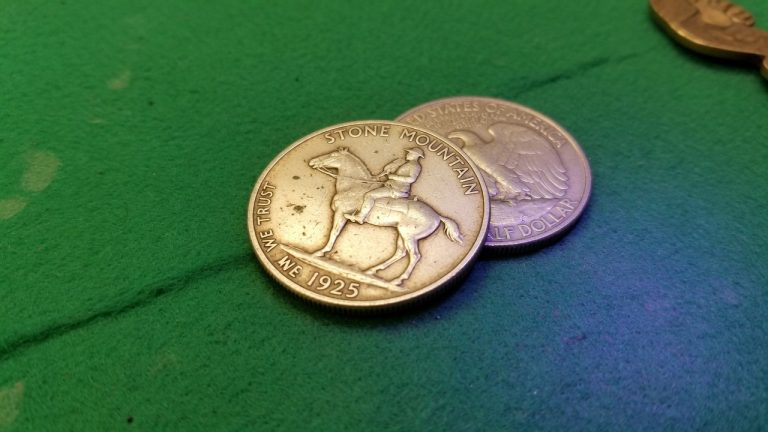
Classic commemoratives (1892–1954) are a type set. Modern commemoratives (1982-on) are usually a Mint product. The box matters more than…
Read →