
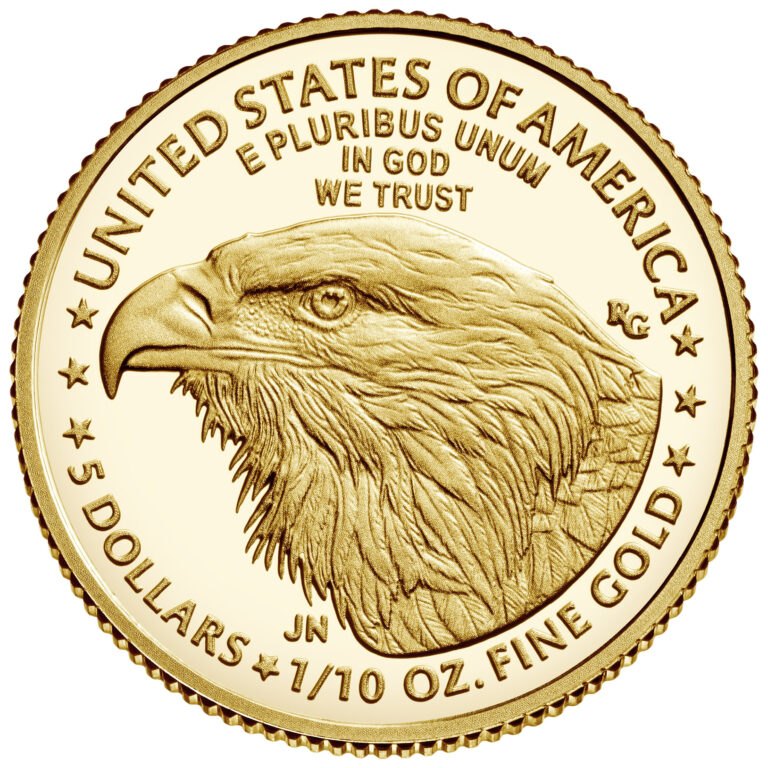
Why the buy price and the sell price are different
The gap is the shop. Rent, cash, risk, testing, and the fact they have to still be here tomorrow. Spot…
Read →The public coin and money library, plus dealer guides — what people bring to a shop, how money works, and how shops run.
Start in the library · Coin history · Visitors · SpotPro for dealers
The gap is the shop. Rent, cash, risk, testing, and the fact they have to still be here tomorrow. Spot…
Read →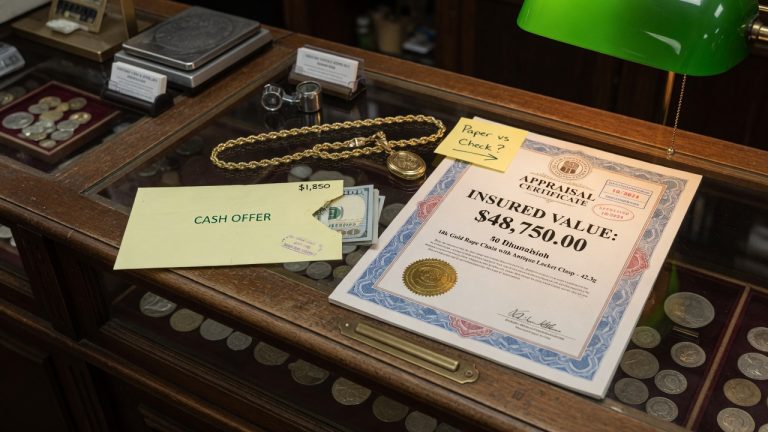
Insurance wants replacement. You want a check today. Those are different jobs. A shop that mixes them up is either…
Read →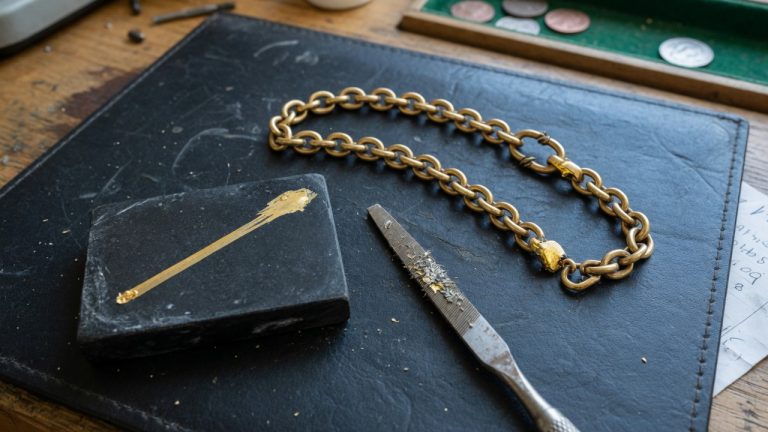
The scale and the acid are not theater. They are how both sides stay honest. If they take it in…
Read →
High prints do not mean “dump everything.” They mean the spread is real, the crowd is loud, and you should…
Read →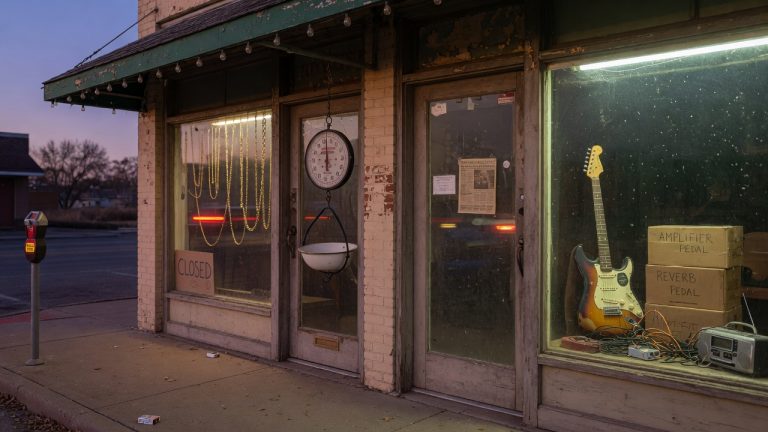
Both will weigh gold. Only one lives in this market every day. Know which counter you are standing at before…
Read →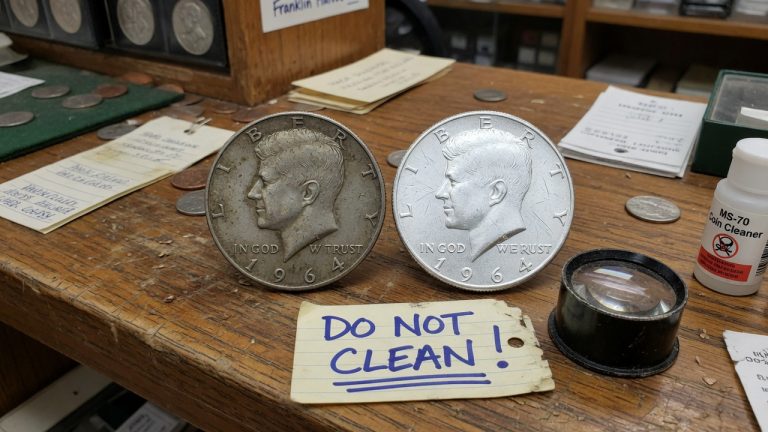
Heirs polish. YouTube dips. Toothpaste happens. Collector value lives in original surfaces. Cleaning is the fastest way to turn a…
Read →
The TV pitch is simple: roll your retirement into gold, get “free” silver, sleep better. The shop-floor version is fees,…
Read →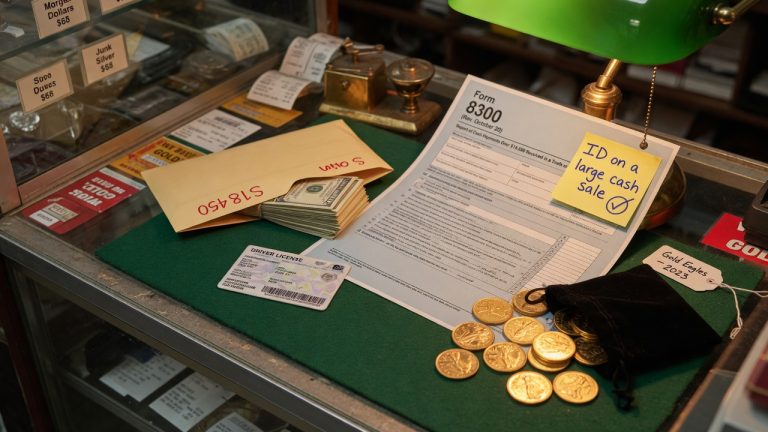
They are not accusing you. Many shops have to know who they paid. Cash over $10,000 has a federal form.…
Read →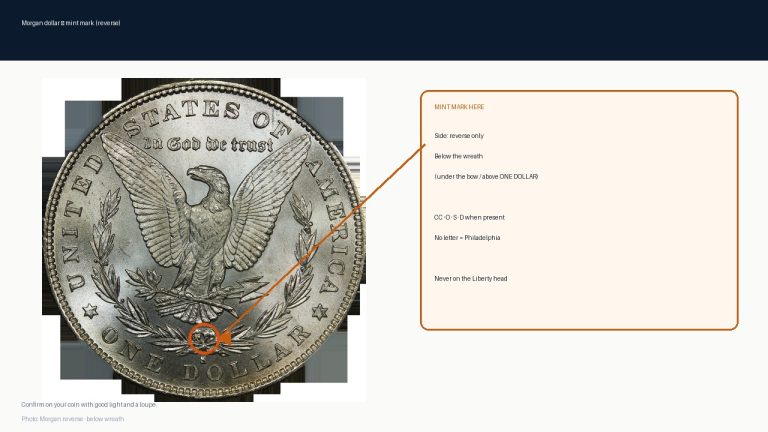
Which Morgan dollar date and mint combinations deserve a second look — CC, S, O, and Philadelphia issues collectors actually…
Read →