
← Back to articles · Hobby & visiting shops ·
How the U.S. left the gold standard: Bretton Woods, the dollar drain, and 1971
Plain English on Bretton Woods, foreign dollar claims on U.S. gold, France’s aggressive conversions under de Gaulle, the London Gold Pool strain, and Nixon’s 1971 suspension of official gold convertibility.
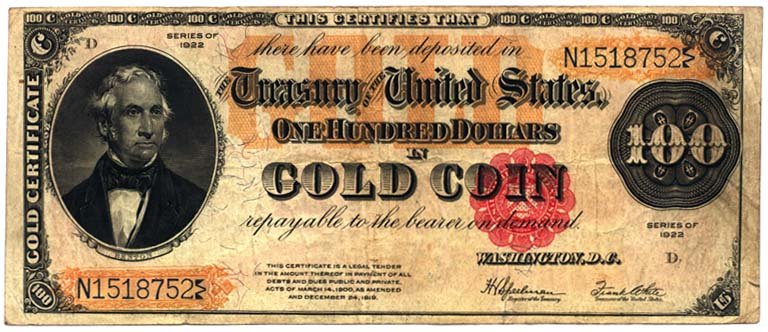
People say “we went off gold” as if it were one light-switch moment. The real story is a sequence: a classical gold standard era, interwar chaos, Depression-era domestic gold policy, a post–World War II dollar-centered system (Bretton Woods), rising strain as dollars piled up abroad, official conversions of dollars into U.S. gold, and finally the August 1971 decision that ended official convertibility of the dollar into gold for foreign governments — the “Nixon Shock” chapter everyone should understand before arguing about money on the internet.
What Bretton Woods actually was
After World War II, major economies built a system in which exchange rates were organized around the U.S. dollar, and the dollar itself retained a link to gold for official (government/central bank) convertibility at a fixed price — famously $35 per ounce in that framework. Ordinary Americans were not walking into banks redeeming paycheck dollars for gold bars as a lifestyle; the international official link is the piece that mattered for foreign treasuries.
The system assumed the U.S. would run policy credible enough that foreigners would hold dollars, and that U.S. gold stocks would back confidence in official conversion.
Why dollars piled up abroad
U.S. spending, investment, imports, military presence, and the dollar’s role as the key international currency put large dollar balances in foreign hands. Under the rules, official holders could seek gold. If claims grew faster than comfort with U.S. policy and gold stocks, tension was inevitable — economists call parts of this the Triffin dilemma: the world needed dollars for liquidity, but supplying those dollars could undermine confidence in gold convertibility.
France, de Gaulle, and gold conversions
It is fair — and historically documented — that France under President Charles de Gaulle publicly criticized the dollar-centered system and pursued a policy of converting dollars into gold more aggressively than some other partners. French officials argued the system let the United States finance itself more easily (“exorbitant privilege” debates of the era). Shipments of gold from U.S. stocks to satisfy official conversions were real events in the 1960s story, not a meme invented in 2020.
France was not the only pressure point, and reducing the collapse of Bretton Woods to a single villain is too neat. But if you “believe the French took advantage,” you are pointing at a real policy of official conversion and political critique that accelerated visible gold outflows and confidence stress. Other countries also managed reserves; the French stance was simply louder and more pointed.
London Gold Pool and market stress
In the 1960s, major central banks cooperated at times to stabilize the free-market gold price near the official level (the London Gold Pool story). Speculative pressure and policy credibility issues strained that cooperation. When market gold wanted to trade away from the official $35 orthodoxy, defending the peg cost gold and nerves.
August 15, 1971 — convertibility suspended
President Richard Nixon announced a package that included suspending the convertibility of the dollar into gold for official foreign holders. That closed the gold window that Bretton Woods assumed. What followed was a messy transition toward floating exchange rates and a pure fiat dollar standard for practical modern purposes — paper and digital claims without a public gold redeemability rule.
This is the hinge for physical ownership education: after the official gold link for foreigners ended, gold still traded as a market commodity and investment asset, but the dollar no longer promised official gold at a fixed price. People who hold bullion today are not “redeeming currency at the Treasury window”; they are owning metal in a floating price world.
What this means if you own metal now
Gold’s investment case after 1971 is market-based: scarcity, monetary history, portfolio diversification arguments, and crisis demand — not a statutory $35 claim. That is why shops quote spot and premium, not a government redemption table. See why bullion for investment sleeves and spot price explained.
History lesson without conspiracy cosplay: systems of fixed exchange and gold links break when politics, trade, and reserve math stop matching the promise. Bretton Woods broke in public. Learning the real sequence makes you a better reader of both headlines and coffee-can legends.
Educational history and product guidance — not legal, tax, or investment advice. Laws and policies change; verify current rules for your situation. Images used for education are public-domain or freely licensed historical references where sourced from open repositories.