
← Back to articles · Hobby & visiting shops ·
1943 steel cents: why America made pennies out of steel
The full story of the zinc-coated steel Lincoln cent — copper for the war, why they rusted, the rare 1943 copper error myth and reality, and what collectors and shops still see today.
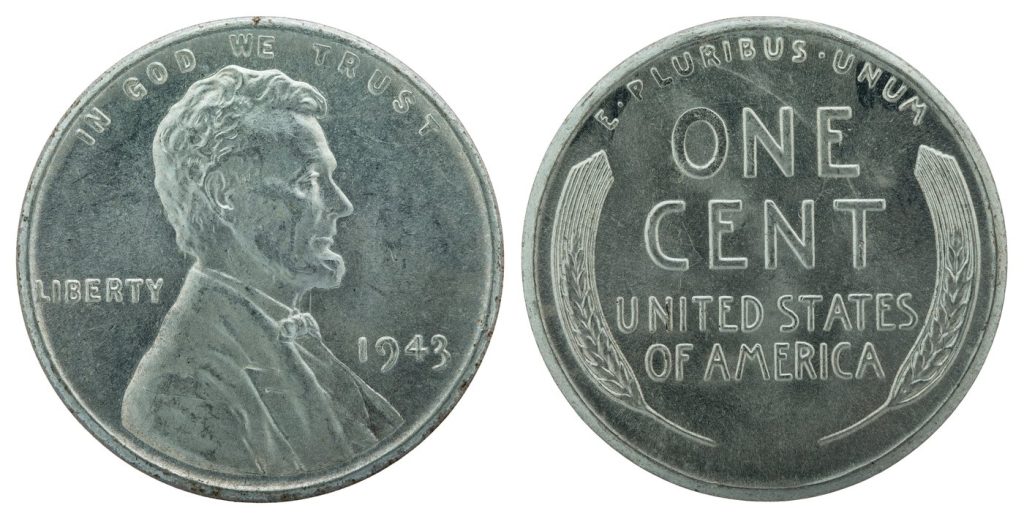
In 1943, the United States Mint did something that still surprises people when a steel penny turns up in a jar of change: it made one-cent coins out of zinc-coated steel instead of the usual bronze. That was not a gimmick. It was wartime materials policy. Copper was needed for ammunition and other military uses. The cent, made in enormous numbers for commerce, became a candidate for substitution.
This article is the plain-English history: why steel, how the coins behaved, why people hated them in vending and in pockets, what the famous “1943 copper cent” actually is, and how a coin shop looks at steel cents when they walk in the door today.
Copper was a war metal
By 1942–1943 the U.S. was deep in World War II production. Copper went into shell casings, wire, and countless military components. The Mint and Treasury looked for ways to free metal without destroying small-change commerce. The one-cent piece used a bronze alloy (mostly copper with tin and zinc in the classic formula of the era). Multiplying that by billions of coins made the copper “budget” real.
Steel, coated with zinc to resist corrosion somewhat, was chosen for 1943 cents. The design stayed the familiar Lincoln wheat reverse of the period. The metal under the eye was different — magnetic, lighter in color when fresh, and prone to ugly aging when the zinc wore through.
How steel cents behaved in real life
Fresh steel cents could look almost silvery. In circulation they scratched, and when zinc coating failed, the steel base rusted. They stuck to magnets — a parlor trick and a sorting tool. They confused some vending and coin-counting equipment designed around non-magnetic bronze. Public reaction was mixed: patriotic understanding on one side, irritation on the other.
Production was huge across Philadelphia, Denver, and San Francisco. Most steel cents are common as historical objects. Condition and eye appeal still matter to collectors; rusty, pitted examples are educational but not “rare finds” just because they are steel.
The 1943 copper cent — myth, reality, and scams
A tiny number of 1943 cents were struck on leftover bronze planchets — genuine mint errors that are famous and valuable when authentic. That fact launched a million false hopes. People polish steel cents to look coppery. People copper-plate steel cents. People misread dates. Shops and authenticators see “1943 copper” claims constantly; almost all are wrong.
If you truly believe you have a bronze 1943 cent: do not clean it, do not plate it, and have it checked by a reputable grading service or specialist. Weight and metal tests matter. A magnet is a first screen — genuine bronze 1943 cents are not magnetic like steel — but fakes can be sophisticated enough that magnet tests alone are not the end of the story for high-stakes claims.
1944 and the return toward copper
As war pressures shifted, the Mint moved back toward copper-based cents. There is also a story of steel planchets used in error contexts in adjacent years — specialist territory. For most owners, the takeaway is simpler: 1943 is the steel year burned into public memory; later cents returned to copper-colored alloys with their own wartime and postwar footnotes.
What a shop does with steel cents today
Bulk steel cents in average circulated condition are usually small-change history, not a lottery ticket. Nice uncirculated pieces, certified rarities, and genuine off-metal errors are different products. If you are sorting a coffee can, pull the 1943 steels for the story and the magnet tray; do not expect bullion math or Red Book fantasies to turn common rust into tuition money.
Related reading: collectible vs bullion, knowing what you have, and the rest of our U.S. coinage history hub.
Educational history and product guidance — not legal, tax, or investment advice. Laws and policies change; verify current rules for your situation. Images used for education are public-domain or freely licensed historical references where sourced from open repositories.
Most wheat and steel cents are common — see cents: old is not automatically valuable.