
← Back to articles · Hobby & visiting shops ·
Graded coins vs raw coins: what buyers actually pay for
Slabs reduce some arguments and add fees. Raw coins need trust and eyes. Neither is automatically “worth Red Book.”
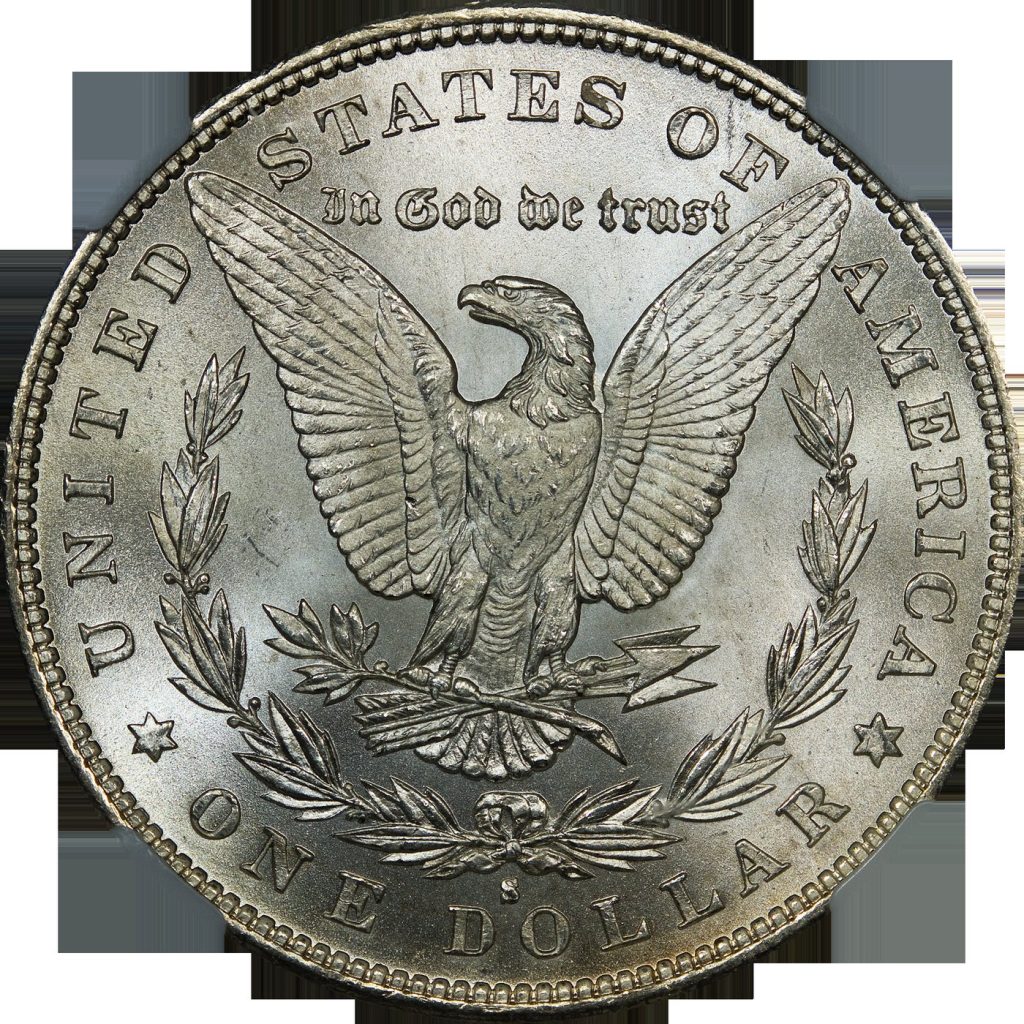
Third-party grading (PCGS, NGC, and others) puts a coin in a holder with an opinion. That opinion can increase liquidity for true collector coins. It is not a magic retail-price sticker for every date.
What grading helps
- Standardizes language for serious collector markets
- Can deter some counterfeits and alterations (not perfectly)
- Helps online sales where buyers cannot hand-inspect
What grading does not do
- Guarantee you a profit
- Force a local shop to pay auction sight-unseen highs
- Fix a cleaned or problem coin into a gem
- Turn common bullion into a numismatic jackpot
Raw coins
Raw is fine for bullion and for collectors who know what they are doing. Raw is risky when a seller’s “mint state” is a buyer’s “about uncirculated with hairlines.” Shops price the coin in the light, not the story in the seller’s head.
Investment takeaway
If you want investment simplicity, do not build your plan on raw grade fights. Bullion sidesteps most of this. If you collect, budget for grading only when the coin and market justify the fee and the wait.
Keep reading
When a slab earns its keep
High-value coins where a point of grade changes thousands of dollars; coins sold sight-unseen to distant buyers; coins with a history of counterfeits or alterations. Outside those zones, grading fees can be a vanity tax.
Body bags and problem coins
Sometimes grading services return coins in “problem” holders noting cleaning or damage. That is information, not an insult. The market will price that information. Pretending it is still a gem because you disagree with the label does not help the next sale.
Bullion and slabs
Slabbing common bullion to “make it investment grade” is usually backwards. You paid fees to add friction to a product whose virtue was simplicity. There are exceptions for true modern rarities — exceptions are not your first ten purchases.
How this fits the bullion-first view
Whenever a topic gets complicated — grades, packaging, fashion, stories — ask whether you are still doing the investment job or you have drifted into the hobby job. Bullion is usually the better investment sleeve because weight and purity settle arguments faster than opinions. Collectibles can still be wonderful. They just should not be forced to pretend they are simple savings products.
Map of the whole path: What physical ownership really covers · Core comparison: Collectible vs bullion.