
← Back to articles · Hobby & visiting shops ·
Collectible coins vs bullion for investment: an honest comparison
Both can be owned in your hand. Only one behaves like a clean investment for most people. Why bullion usually wins for money, and when collectibles still make sense.
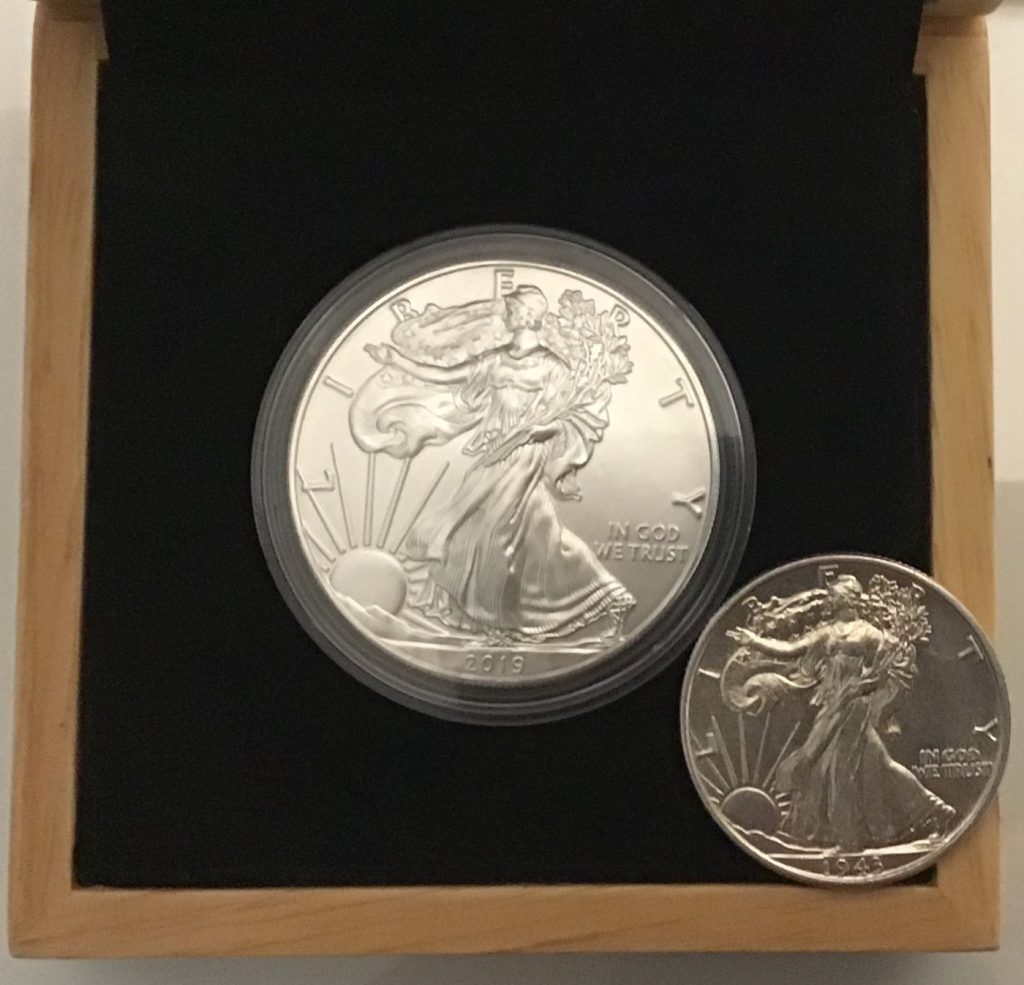
People walk into a coin shop with two different goals mixed together. One goal is owning something beautiful or historic. The other is parking money in metal that can leave again without a debate about grades. Those goals are both legitimate. They are not the same product.
This article is the plain-English comparison: collectible (numismatic) coins versus bullion. We will give both sides a fair hearing. We will also lean where the math usually leans for ordinary households: if your main job is “investment / savings in physical form,” bullion is cleaner. Not because collectibles are fake. Because collectibles are a hobby market with opinions attached, and opinions do not settle as easily as weight and spot price.
What “bullion” means in a shop
Bullion is metal bought mainly for metal content. Think American Silver Eagles, gold Eagles or Buffalos, maple leafs, krugerrands, 1 oz / 10 oz / kilo bars from recognized refiners. The story is simple: purity, weight, brand, and the live metal market. Condition still matters if something is scratched to junk — but you are not arguing whether a coin is MS-63 or MS-65 before anyone will name a price.
What “collectible” means
Collectible coins are priced on rarity, demand, originality, eye appeal, and grade — not only melt. A key-date Morgan, a high-grade early copper, a slabbed modern rarity. The metal may be almost incidental. Two coins with the same melt can be hundreds or thousands apart because collectors care about status and scarcity, not just gold content.
Advantages of bullion
- Pricing is less negotiable theater. Spot moves; premiums move; but you are not re-litigating a grade every time you sell.
- Liquidity is broader. Almost every shop, and many online bullion desks, will bid common government coins and recognized bars the same day.
- Comparables are public. You can check spot and typical premiums without becoming a professional grader.
- Storage and estate math are simpler. “Forty ounces of silver in eagles” is easier for heirs than “a mixed binder of raw coins with feelings attached.”
- Less story risk. You are not depending on the next generation caring about a particular series the way you did.
Advantages of collectibles
- Upside from knowledge. A trained eye can still find mispriced coins — that is a skill market, not pure metal beta.
- Joy and history. That is real value even if it never shows on a spreadsheet.
- Some coins outrun metal for decades when rarity and demand align. That is not the average coffee-can experience.
- Completing a set can be a disciplined hobby with a finish line, which bullion stacking does not always provide.
Why we lean bullion for “investment”
Investment, in everyday language, means: put money in, understand what you own, get out later without a personality conflict. Bullion fits that job description better.
Collectibles fail that job description for most people because:
- Grade and eye appeal are opinions until a third party (and the next buyer) agrees
- Buy/sell spreads on raw collector coins are often wider than people expect
- The “book price” or auction result for a perfect example is not your raw coin’s cash bid
- Hype cycles and TV/YouTube narratives create temporary retail that does not survive a same-day wholesale sale
- You can be right about history and still wrong about the check
If the main reason you want physical ownership is wealth protection and simplicity, buy recognizable bullion. If the main reason is the hobby, buy collectibles with hobby money — and do not force them to be your retirement plan.
A practical split many families use
- Core: government bullion coins or simple bars in a weight you can lift and insure
- Hobby sleeve: a smaller budget for dates, types, and fun purchases that may never “beat” metal
- Never: tell yourself a speculative raw collection is “as good as” bullion just because both are shiny
Neither path is morally better. One path is just less argument-prone when life gets serious — divorce, estates, emergency cash needs, or a move across the country.