
← Back to articles · Hobby & visiting shops ·
90% silver, 40% silver, and war nickels: junk silver in English
US dimes, quarters, and halves before 1965 are 90%. Some 40% halves exist. War nickels are a different trick. Face value is how shops count the 90%.
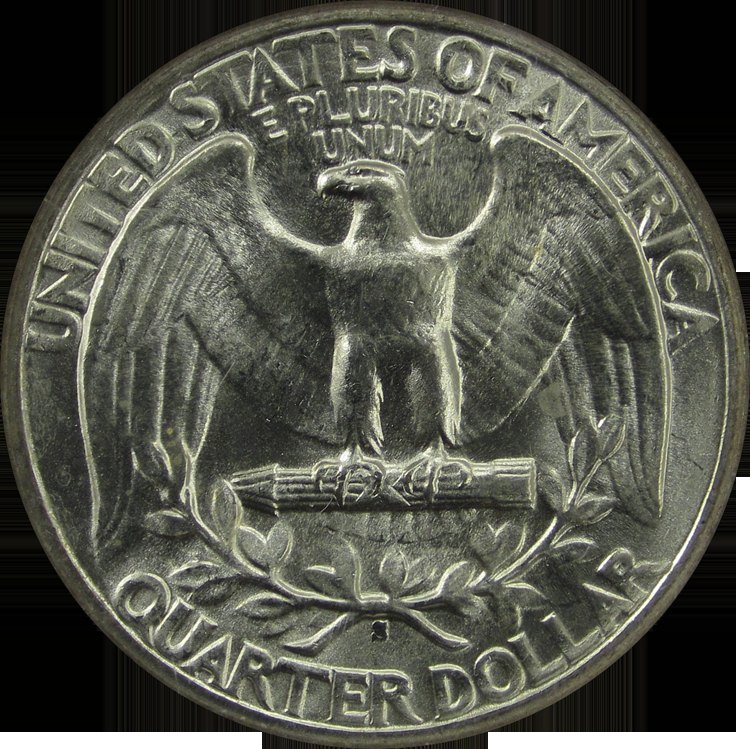
“Junk silver” is not an insult. It is the trade word for common US silver coins that trade on melt, not on a collector date.
If you have a coffee can of 1964 and earlier dimes, that is the can.
The 1965 line
US dimes, quarters, and half dollars dated 1964 and earlier are 90% silver. After that, dimes and quarters go clad — copper-nickel sandwich, no melt to speak of. Why 1965 changed pocket change.
Halves are messy: 1965–1970 halves are 40% silver. After that, most are clad too.
How shops buy 90%
Usually by face value. A $10 face bag of 90% is a known amount of silver. They multiply by a factor that moves with spot. You do not need to weigh every Mercury dime. Junk silver vs eagles vs bars.
If you already picked out the keys, say so. If you did not, we will still glance. Wheat keys are a different metal, but the habit is the same: common is common, keys get a second look.
War nickels
1942–1945 Jefferson nickels with the big mint mark on the reverse are 35% silver. They are not 90%. They are not trash. They have their own factor. A magnet and a date are your friends.
What is not junk silver
- Steel cents
- Clad halves after 1970
- Foreign coins you “heard were silver”
- Silver plate forks
- Proof sets from the 1970s with no silver in them
World coins at a US shop if the can is mixed flags.
Part of the coin shop counter wiki · visitors & collectors · NumisQ Learn
The half that walks in every week: Kennedy 1964 / 40% / clad.
Franklin halves are 90%. Washington quarters through 1964 are too.
Today’s dollars on those types: Melt Prices (search 1964 quarter, 1965–70 half, war nickel). Kitchen-table walkthrough: melt before you visit a shop.