
← Back to articles · Physical ownership ·
What “fiat money” means without the internet shouting
A calm definition of fiat currency, how it differs from commodity money and representative paper, and what that means for people who still hold physical metal.
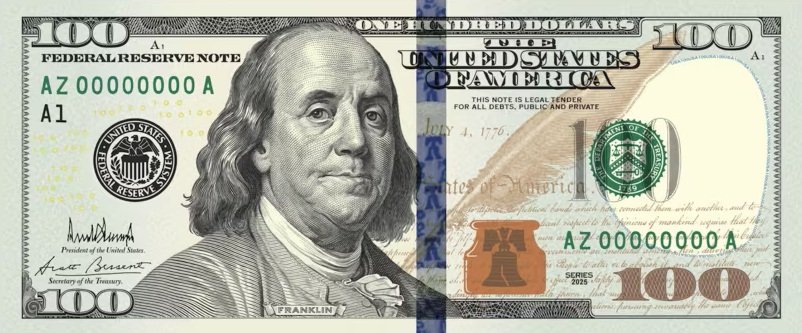
Fiat money is currency that governments declare to be money and that circulates based on law, habit, and tax acceptance — not because each note is a warehouse receipt for a fixed metal amount sitting in a vault for you personally.
Not a moral insult by itself
“Fiat” describes a structure. Whether policy is wise is a separate argument. People use the word as a slur online; historians use it as a category.
Representative paper vs pure fiat
Gold/silver certificates were closer to representative claims under their statutes. Modern Federal Reserve Notes are not public gold tickets. That is the post–Bretton Woods practical reality for ordinary holders.
Why bullion still exists
People hold metal as a non-liability asset with monetary history — not because the grocery store prices milk in eagles. Different tools, different jobs.
Educational history and product guidance — not legal, tax, or investment advice. Laws and policies change; verify current rules for your situation. Images used for education are public-domain or freely licensed historical references where sourced from open repositories.
Physical metal in a fiat world
Holding bullion does not require believing every central banker is a cartoon villain. It requires believing metal is a useful non-liability asset with deep markets. That calmer framing keeps people stacking on schedules instead of panic-buying after every clip.
Fiat means the note spends because the law says so, not because it is a warehouse receipt for a coin. Gold certificates used to be that receipt. They are still a dollar at the bank. Silver certificates too. What a dollar is.