
← Back to articles · Hobby & visiting shops ·
Buffalo nickels and Standing Liberty quarters: design icons of early 20th-century coinage
Why the Buffalo nickel and Standing Liberty quarter still define “classic American coin design,” what to know about types and condition, and how shops treat them.
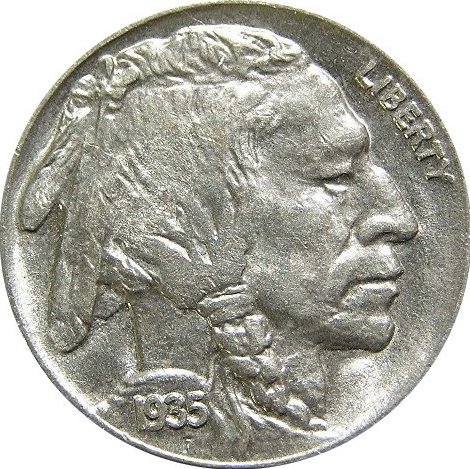
Some U.S. coins are money. Some are also national design icons. The Buffalo (Indian Head) nickel and the Standing Liberty quarter sit in the second group for many collectors — even when worn examples are common.
Buffalo nickels (1913–1938)
James Earle Fraser’s design put an American bison on circulating small change. Type details (including the early reverse variants collectors discuss) and mint marks create a specialty. Most pocket-worn Buffalos are modest; key dates and sharp examples are not.
Standing Liberty quarters (1916–1930)
Hermon MacNeil’s quarter is famous for beauty and for type changes collectors track (including early issues). Weak strikes and wear on high points are normal; “cleaned until shiny” is how people destroy premiums.
Shop floor
We buy common worn pieces as collector-minor or bulk; we get interested when dates, mints, and originality line up. No polishing. Ever.
Educational history and product guidance — not legal, tax, or investment advice. Laws and policies change; verify current rules for your situation. Images used for education are public-domain or freely licensed historical references where sourced from open repositories.
Condition is the whole game on icons
Iconic designs attract cleaners. A Buffalo with no horn detail and a scrubbed face is a history token, not a gem. Standing Liberty quarters lose date and detail easily; “I can still see some of it” is not a grade. Buy eye appeal carefully; sell honestly.
Collector pricing vs design fame: Buffalo and other nickels — common dates vs keys and dimes & quarters.
Full counter page for the nickel: Buffalo nickels.
Dedicated quarter page: Standing Liberty quarters.