
← Back to articles · U.S. coinage history ·
U.S. Trade dollars: the silver coin meant for Asia
Why the United States struck Trade dollars in the 1870s for East Asian commerce, how they differed from domestic dollars, and what went wrong at home.
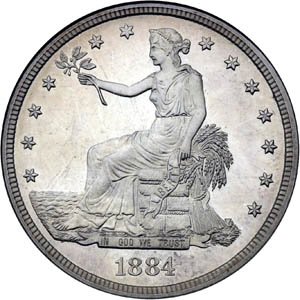
The Trade dollar was a U.S. silver coin aimed at competing in Asian markets where Spanish and Mexican dollars already had trust. It was a commercial foreign-trade tool more than a cozy domestic pocket piece — and when it bounced back into U.S. channels, legal and public confusion followed.
Why Asia mattered
Nineteenth-century East Asian trade often settled in recognized silver dollar-sized coins. American interests wanted a product that could compete on weight and acceptance with established Spanish-American styles.
Domestic trouble
Trade dollars had awkward legal tender status episodes and could trade by bullion value in ways that annoyed the public when silver prices moved. They became a cautionary tale about coins designed for one job leaking into another.
Collectors today
Trade dollars are a classic specialist series with chop marks on some Asia-circulated pieces — merchant stamps that are historically meaningful, not necessarily “damage” in the naive sense. Still: no cleaning, and authentication for expensive dates.
Educational history and product guidance — not legal, tax, or investment advice. Laws and policies change; verify current rules for your situation. Images used for education are public-domain or freely licensed historical references where sourced from open repositories.
Chop marks and the market
Asian merchants sometimes stamped coins with “chops” as private assay/acceptance marks. On Trade dollars those marks can be historically meaningful. Western graders and collectors have opinions about eye appeal; neither erase the trade history. Never grind chops off hoping for a “cleaner” coin — you are destroying evidence and usually value.
Legal tender whiplash
Trade dollars’ domestic legal tender status was altered in ways that left the public holding coins that did not behave like ordinary dollars at the store. That political-monetary mess is part of why the experiment is remembered as awkward. For modern owners: treat them as collector silver dollars with a special story, not as ASE substitutes.
Counter version (chops, weight, what we pay): Trade dollars.