
← Back to articles · Hobby & visiting shops ·
Little-known facts about U.S. coins that change how you look at change
From lettered edges to mint mark politics, wartime alloys, and why “rare dates” are not the same as “valuable coffee-can coins” — useful oddities for collectors and shop visitors.
Coin shops hear the same surprises every week. Here are facts that are true, useful, and not the same as engagement-bait “this penny is worth $50,000” videos.
Mint marks are policy, not decoration only
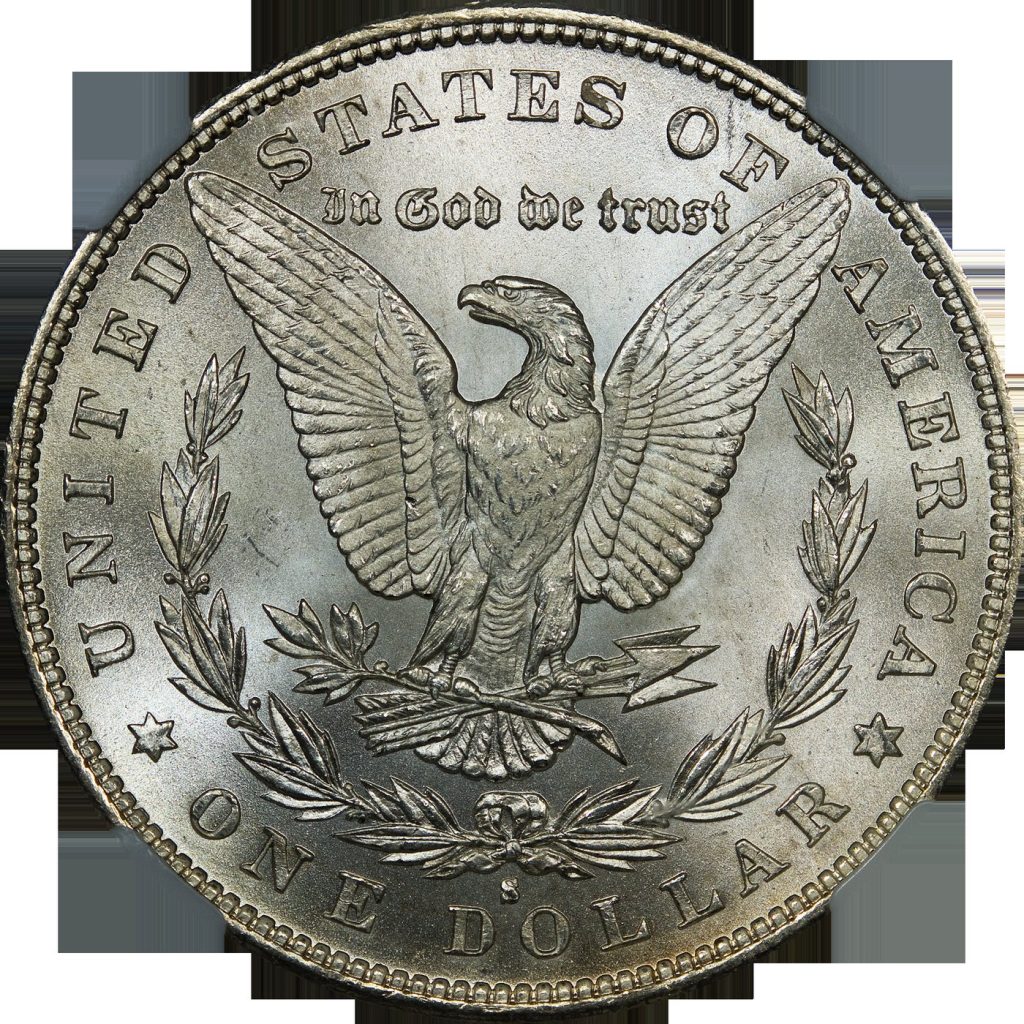
Mint marks tell you which facility struck a coin (with famous exceptions and omissions by year). They matter because different mints struck different quantities and sometimes different quality. The “S” or “D” is not automatically a jackpot; it is a data point in mintage and demand.
Some years changed metal under the same design
Steel cents in 1943 are the celebrity example. Silver disappeared from most circulating dimes and quarters after 1964 (with half dollar silver stories continuing in reduced form before clad). Designs can outlive their alloys — which confuses people who think “it looks like silver” is an assay.
Proof is a finish, not a metal
Proof coins are specially struck for collectors. A proof clad coin is still clad. Packaging is not purity.
The Mint has always fought counterfeiters and confusion
Reeding, edge lettering, composition changes, and design revisions often have anti-counterfeiting or recognition goals. What looks like art is sometimes security engineering.
Condition rarity beats date rarity for many modern coins
A common date in a true gem grade can outprice a scarcer date in junk condition. That is why grading fights exist — and why bullion sidesteps much of this for investment sleeves.
Foreign coins in U.S. jars are normal
Travel, military service, and border commerce drop foreign pieces into American drawers. Most are face-value curiosities; some are silver; few are life-changing without identification.
Educational history and product guidance — not legal, tax, or investment advice. Laws and policies change; verify current rules for your situation. Images used for education are public-domain or freely licensed historical references where sourced from open repositories.