
← Back to articles · Hobby & visiting shops ·
America’s first silver dollars: Flowing Hair, Draped Bust, and why the dollar mattered
From the Coinage Act of 1792 to the Flowing Hair dollar and early Draped Bust issues — why the United States needed a dollar coin, how early minting worked, and what survives for collectors.
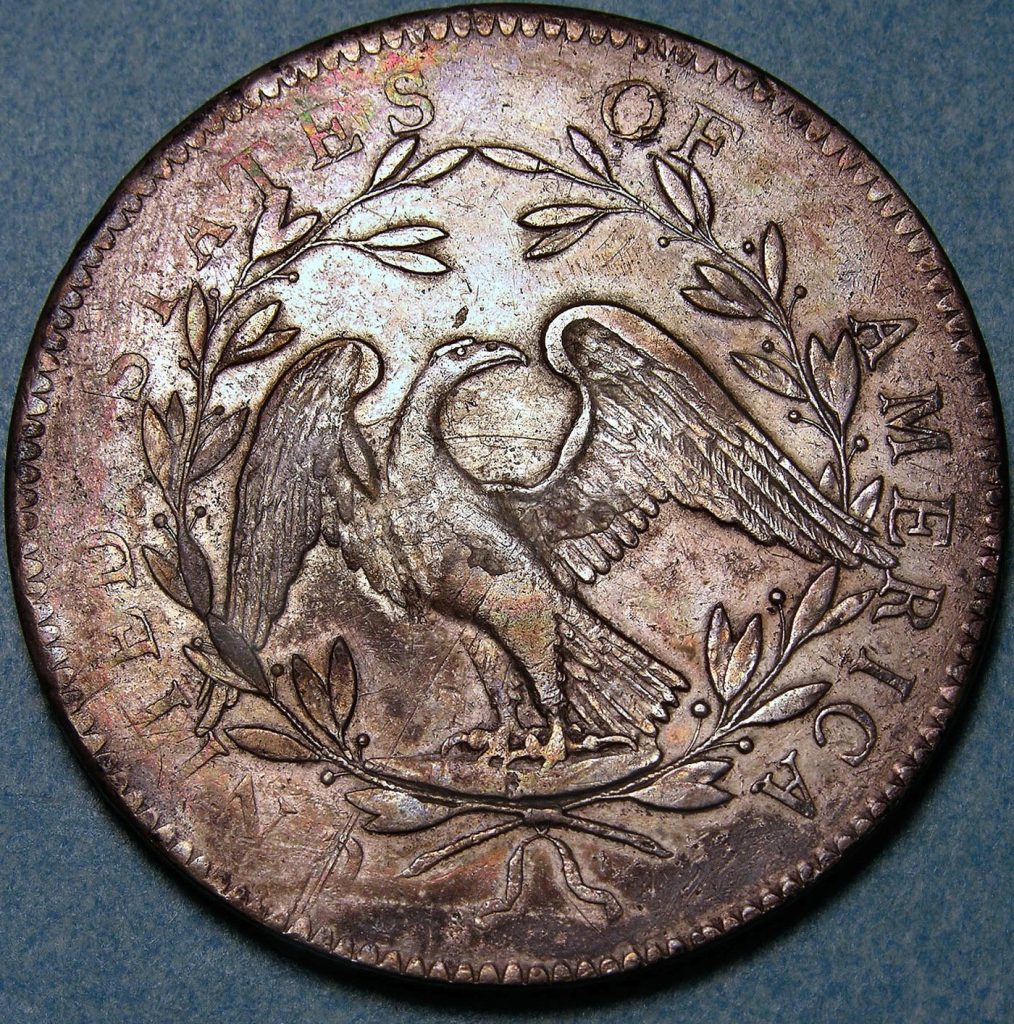
The United States did not invent the idea of a “dollar.” Spanish-American silver coins already dominated New World trade. What the young republic did was define a U.S. dollar in law, build a mint, and try to put national silver into pockets that still thought in shillings, reals, and habit.
The earliest U.S. silver dollars — Flowing Hair (1794–1795) and the early Draped Bust types that followed — are foundation stones of American coinage. They are also scarce, heavily studied, and easy to misunderstand if you only know Morgan and Peace dollars from later centuries.
The Coinage Act of 1792
Congress established the U.S. Mint and defined denominations, including the dollar as a silver coin with a specified pure silver content in the bimetallic framework of the time. Gold and silver were both monetary metals; their legal relationship (the ratio) would haunt policy for decades.
Philadelphia became the mint city. Early equipment was limited. Quality control was human. Surviving early dollars show the struggle of a new industrial institution learning on the job.
Flowing Hair dollars (1794–1795)
The Flowing Hair design, with Liberty’s free-flowing hair and a small eagle reverse in the first conception, is among the most iconic American silver types. The 1794 dollar is especially famous — low mintage, high historical voltage, and auction-world celebrity when top specimens trade.
Most people will never own a 1794 dollar. That is fine. Understanding that the United States tried, early, to issue a full-weight silver dollar tells you why later “dollar” debates (paper, trade dollars, Peace dollars, Eisenhower, Sacagawea, modern bullion) keep echoing the same national brand name.
Draped Bust and the long early series
Design moved to Draped Bust Liberty and, over time, reverse eagles that collectors subdivide into small eagle and heraldic eagle types. Dates, mintage, and condition create a specialist field. Early dollars were large, heavy, and useful — until silver price relationships, export, and politics changed what made sense to strike.
Why first dollars still matter to modern buyers
They explain that U.S. coinage began as hard metal money with legal definitions, not as pure tokens. They also show that “old” is not automatically “valuable in your coffee can.” Early dollars that survive in the market are usually already identified, often certified, and priced in a collector market — not melt-only math.
If you inherit something that looks like an early dollar, treat it as potentially significant: no cleaning, photos, and a specialist opinion. If you want metal exposure without a PhD in 1790s dies, that is what modern bullion is for — see our investment comparison.
Educational history and product guidance — not legal, tax, or investment advice. Laws and policies change; verify current rules for your situation. Images used for education are public-domain or freely licensed historical references where sourced from open repositories.