
← Back to articles · Hobby & visiting shops ·
Paper metal vs holding metal in your hand
ETFs, futures, mining stocks, and “digital gold” programs versus coins and bars you can put in a safe. Different tools, different failure modes.
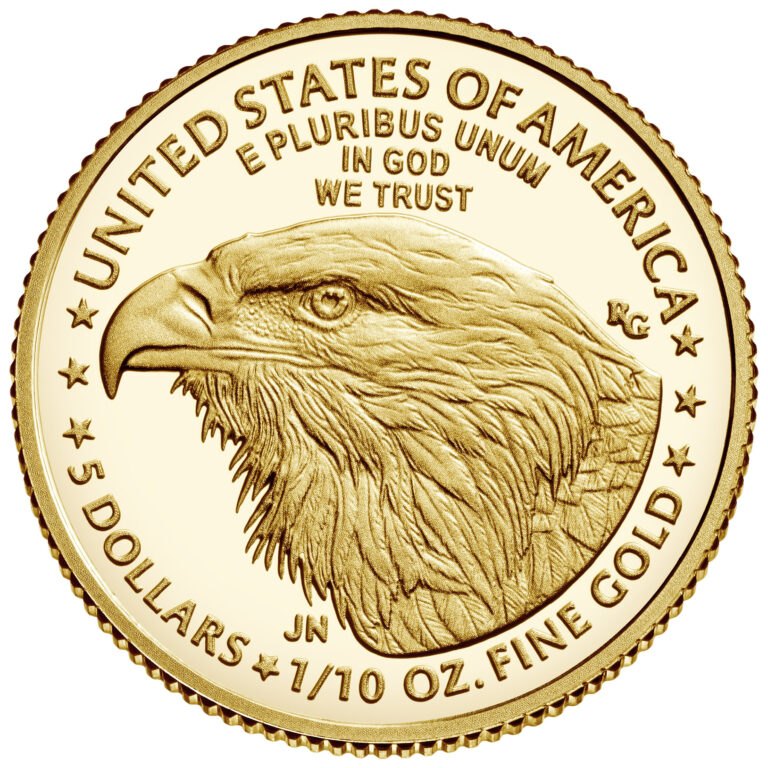
You can get gold exposure without touching gold. That can be smart for traders and simple brokerage accounts. It is not the same as physical ownership. If your reason for metal is “I want something that is not only a database entry,” paper products will always feel incomplete — because they are incomplete for that job.
Common paper paths
- ETFs and similar funds — easy to buy/sell in a brokerage; you own shares, not a labeled bar in your closet
- Futures and options — professional tools; leverage cuts both ways
- Mining stocks — company risk, management risk, political risk; correlated to metal but not metal
- Pool accounts / unallocated programs — read the contract; “backed by metal” is not always “your serial-numbered bar”
What physical does that paper does not
- No broker login required to know you still have it
- You can hand it to an heir without a transfer agent
- You can sell to a local shop on a Saturday
- You bear storage and theft risk yourself
What paper does better
- Tiny transaction costs and instant rebalancing for many investors
- No safe, no home security project
- Easier for pure trading strategies
A sane framing
Use paper when you want market exposure inside a portfolio. Use physical when you want ownership you can touch. Many people do both. Problems start when someone buys an ETF and tells themselves they “own gold the same way” as the person with eagles in a safe — or when someone overbuys physical with money they needed liquid in a checking account next month.
Physical metal answers a custody question. Paper metal answers a price-exposure question. Do not hire one employee to do the other job.
Keep reading
A simple decision tree
- Need to rebalance weekly inside a retirement account? Paper tools often fit.
- Want something you can hand to an adult child without a transfer form? Physical fits.
- Want both? Common — just label which sleeve is which.
- Afraid of every institution equally and also unwilling to buy a safe? You have a planning problem, not a product problem.
Counterparty risk in plain English
Every paper claim has someone else on the other side: a fund, a broker, a custodian, a mining company. Physical has different risks — theft, loss, personal stupidity — but not the same chain of financial intermediaries. People who slept through 2008 and people who slept through a home burglary will weight those risks differently. Honesty about your actual fear is more useful than slogan metal content.
Do not “convert” in your head
Owning a gold miner stock is not owning gold. Owning an ETF share is not owning a serial-numbered bar. Owning a futures contract is not owning a coin. Each can be a valid tool. None should be described with language that only physical deserves if what you wanted was custody.
How this fits the bullion-first view
Whenever a topic gets complicated — grades, packaging, fashion, stories — ask whether you are still doing the investment job or you have drifted into the hobby job. Bullion is usually the better investment sleeve because weight and purity settle arguments faster than opinions. Collectibles can still be wonderful. They just should not be forced to pretend they are simple savings products.
Map of the whole path: What physical ownership really covers · Core comparison: Collectible vs bullion.