
← Back to articles · Hobby & visiting shops ·
When collectible coins still make sense
Collectibles are not stupid. They are a different game. Here is when the hobby path is rational — and how to keep it from eating your bullion plan.
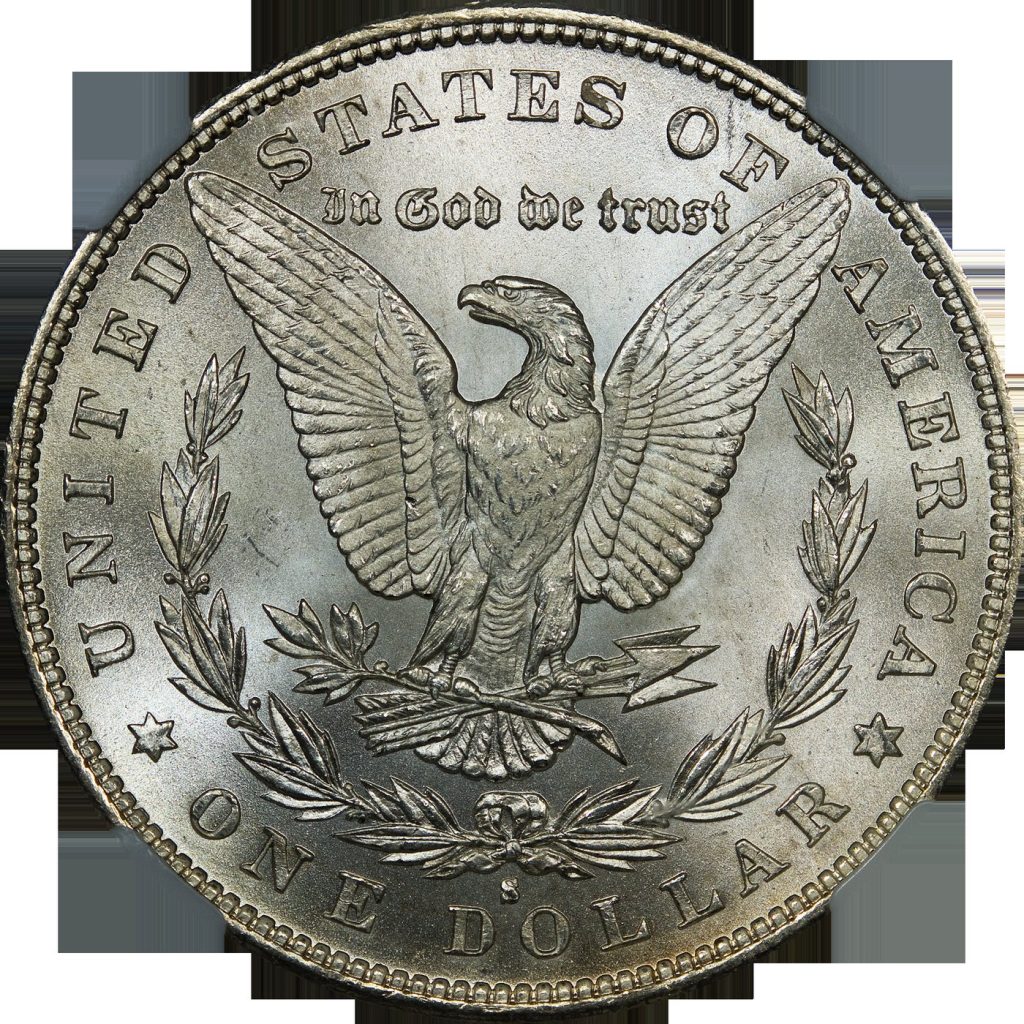
Leaning bullion for investment is not the same as insulting collectors. Collecting built this industry. Museums, clubs, coin shows, and half the joy at the counter exist because people love objects, not just ounces.
Good reasons to buy collectibles
- You enjoy the hunt more than you need maximum liquidity
- You have studied a series long enough to know common vs scarce without a video thumbnail
- You buy graded coins from reputable services when the premium is justified by liquidity in that grade
- You are completing a set with a written budget
- You accept that resale may be slow and still want the piece
Bad reasons dressed up as strategy
- “It has to be worth more because it is old”
- “The Red Book says…” as a cash bid
- “A guy on YouTube said every error is life-changing”
- “I will retire on these raw pennies”
- “The shop is cheating me because they will not pay retail for my common coins”
How to collect without lying to yourself
Label the money. Hobby money can lose purchasing power relative to bullion and still be a successful Saturday. Investment money should mostly sit in products that shops bid without a seminar. When those wallets mix, people get angry at dealers for doing wholesale math on hobby objects.
The hybrid that usually works
Stack bullion for the serious sleeve. Collect a narrow specialty for fun — one series, one century, one theme. Depth beats a junk drawer of random “maybe valuable” coins. Random is how estates become stressful and offers look mean.
Keep reading
Examples of rational collectible buys
A collector who has studied Morgan dollars for five years and buys a correctly graded better-date with a plan to hold for a decade is not a fool. A person who inherits a proof set and keeps it because Grandpa loved it is not a fool. A parent building a type set with a child is not a fool. Folly starts when those projects are mislabeled as “my inflation hedge” or “better than bullion because the book says so.”
Budget rules that keep you honest
- Write a monthly hobby cap and do not raid emergency cash for “one more key date”
- Track total spend on collectibles separately from ounces of bullion acquired
- Before any five-figure collector purchase, get a second opinion from a specialist — not a comment section
- If you cannot explain the exit (who buys this, how long, what spread), you are not investing — you are hoping
When to stop and switch to bullion
If every purchase needs a story to justify the premium over melt, and those stories are getting thinner, switch the next dollars into eagles or bars. You can always collect later with profits from a calmer life. You cannot always unwind a pile of mediocre raw coins quickly when life demands cash.
How this fits the bullion-first view
Whenever a topic gets complicated — grades, packaging, fashion, stories — ask whether you are still doing the investment job or you have drifted into the hobby job. Bullion is usually the better investment sleeve because weight and purity settle arguments faster than opinions. Collectibles can still be wonderful. They just should not be forced to pretend they are simple savings products.
Map of the whole path: What physical ownership really covers · Core comparison: Collectible vs bullion.